Understanding the significance of first holy communion
The Meaning Behind First Holy Communion
First Holy Communion is a deeply significant milestone in many religious traditions, especially within the Christian faith. It marks the moment when a young person receives the Eucharist for the first time, symbolizing their growing relationship with their faith and community. This event is often celebrated with family, friends, and the wider congregation, making it a day filled with joy, reflection, and spiritual growth.
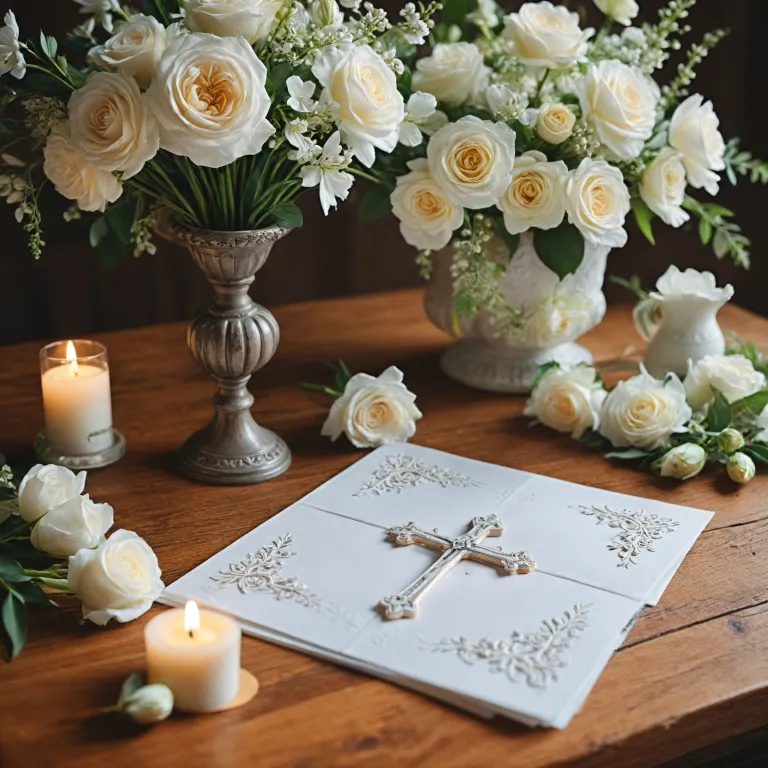
When you write a communion card or select a greeting card for this occasion, it’s important to recognize the spiritual weight the day carries. The cross design or gold foil details on many communion cards are not just decorative—they reflect the sacredness of the event. Whether you’re choosing a religious communion card, a confirmation card, or a baptism card, understanding the meaning behind the ceremony helps you craft a message that resonates.
- First Holy Communion is often seen as a rite of passage, similar in importance to baptism and confirmation.
- It’s a day when the recipient is welcomed more fully into their faith community, making your greeting card or gift card especially meaningful.
- Many families mark the day with special communion invitations, cards first, and even communion gifts that reflect the religious significance.
For those interested in how other faiths celebrate similar milestones, you might find it insightful to read about crafting the perfect Bar Mitzvah card message. This can offer a broader perspective on the importance of religious celebrations and the role of thoughtful wishes in marking these occasions.
As you move forward, keep in mind that the price, delivery options, and items sold for communion cards or greeting cards may vary, but the heartfelt sentiment behind your message is what truly counts. The next sections will help you navigate common challenges, key elements, and ways to personalize your wishes for this special day.
Common challenges when writing wishes for cards first holy communion
Why Writing Communion Wishes Can Feel Challenging
Writing a heartfelt message for a first holy communion card can be surprisingly difficult, even for those comfortable with words. The occasion is deeply religious and meaningful, and many people want their wishes to reflect the importance of the day. However, several common challenges can make the process feel overwhelming.
- Finding the Right Words: Many people struggle to express themselves in a way that feels both personal and appropriate for a religious event. It’s easy to worry about saying too little or too much, especially when the card is for a child’s first communion, confirmation, or baptism.
- Balancing Tradition and Personal Touch: There’s often uncertainty about how much to lean into traditional religious language versus adding a personal message. Some may wonder if a simple “Congratulations on your first holy communion” is enough, or if a more detailed blessing is expected.
- Respecting Sensitivities: Religious occasions like first communion, confirmation, and baptism can be deeply personal. There’s a need to respect family traditions, beliefs, and sensitivities, especially when sending a greeting card or a communion gift.
- Choosing the Right Card: With so many products available—ranging from gold foil greeting cards to cross design cards and religious communion invitations—selecting a card that matches the tone of your message can add another layer of complexity. Some cards are more formal, while others are playful or modern.
- Worrying About Originality: It’s common to feel pressure to write something unique, especially if you’ve sent cards for other religious milestones like baptism or confirmation. People often want their words to stand out and be remembered.
These challenges are not unique to first holy communion. Many people face similar concerns when writing for other religious occasions, such as crafting heartfelt messages for a Bat Mitzvah card. Recognizing these common hurdles can help you approach your message with more confidence and authenticity, whether you’re choosing a cross card, a baptism card, or a confirmation card.
In the next section, we’ll explore what makes a communion wish truly meaningful, so you can write a message that feels both sincere and appropriate for the day.
Elements of a meaningful first holy communion wish
Key Components to Make Your Communion Card Stand Out
Writing a meaningful wish for a first holy communion card is more than just a formality. It’s about honoring a significant religious milestone and making the recipient feel truly celebrated. Whether you are choosing a greeting card from a store or crafting your own, consider these essential elements to create a heartfelt message:
- Personal Connection: Start by acknowledging the importance of the day. Mention the first holy communion specifically, and if possible, reference a memory or quality that makes the occasion special for the recipient. This adds warmth and authenticity to your card.
- Blessings and Good Wishes: Offer a blessing or prayer that aligns with the religious nature of the event. Words like "May God bless you on your first holy communion" or "Wishing you joy and faith as you receive the holy sacrament" are classic, but you can personalize them to fit your relationship.
- Encouragement for the Future: Acknowledge the journey ahead. You might write, "May this holy day guide you as you grow in faith," or "Let your first communion be the start of a lifelong relationship with God." This shows you care about their spiritual path beyond the day itself.
- Respect for Tradition: Use language and symbols that reflect the religious significance, such as mentioning the cross, gold foil accents, or referencing the sacredness of the sacrament. This is especially important if you are sending a religious communion card or a card first in a series of faith milestones like baptism or confirmation.
- Appropriate Tone: Keep your message sincere and age-appropriate. For younger recipients, simple words and gentle encouragement work best. For older children or teens, you might add a thoughtful reflection or a quote from scripture.
When you combine these elements, your greeting card becomes more than just a product—it becomes a cherished keepsake. Whether you are sending a single card or ordering communion cards in bulk for a business or religious group, focusing on these components ensures your wishes feel genuine and memorable.
For more inspiration on crafting messages for milestone events, you can explore meaningful high school graduation announcement wording to see how thoughtful wording can make any card special.
| Element | Why It Matters | Example |
|---|---|---|
| Blessing | Connects to the religious meaning of the day | "May God’s love guide you always." |
| Personal Touch | Makes the card unique and heartfelt | "We are so proud of your faith journey." |
| Encouragement | Supports the recipient’s spiritual growth | "Let this holy communion inspire you every day." |
| Symbolism | Honors tradition and faith | Including a cross design or gold foil detail |
Real examples of wishes for cards first holy communion
Examples of Heartfelt Wishes for First Holy Communion Cards
When it comes to writing a meaningful message for a first holy communion card, finding the right words can be challenging. Drawing inspiration from religious traditions and the significance of the day, here are some real examples of wishes you can use or adapt for your own greeting cards, communion invitations, or even as a note with a communion gift.- "Wishing you joy and blessings on your First Holy Communion day. May your heart always be open to God's love and guidance."
- "Congratulations on receiving your First Holy Communion. May this sacred day bring you closer to your faith and fill your life with peace."
- "On this special day, may the Holy Spirit fill your heart with happiness and grace. Blessings to you and your family as you celebrate your First Communion."
- "As you receive the Body and Blood of Christ for the first time, may you always walk in His light and love. Happy First Holy Communion!"
- "May the cross you carry today remind you of God’s everlasting love. Congratulations on your First Holy Communion."
- "Sending prayers and warm wishes as you celebrate your First Holy Communion. May your faith continue to grow each day."
Adapting Wishes for Different Occasions
Sometimes, you may want to tailor your message to fit related religious milestones, such as baptism, confirmation, or even a gold foil cross card for a special occasion. Here are a few ways to adjust your message:- For a baptism card: "May God bless you on your baptism day and always guide your steps with love."
- For a confirmation card: "Wishing you strength and faith as you are confirmed in Christ. May the Holy Spirit inspire you every day."
- For a religious communion card with a cross design: "May the cross on this card remind you of the hope and joy found in your faith journey."
Quick Reference Table: Card Types and Sample Wishes
| Card Type | Sample Wish |
|---|---|
| First Holy Communion Card | "May your First Communion be a step toward a life filled with faith and love." |
| Baptism Card | "Blessings on your baptism day. May God’s grace be with you always." |
| Confirmation Card | "Congratulations on your confirmation. May your faith shine bright." |
| Religious Greeting Card | "Wishing you peace and joy as you celebrate this holy day." |
Tips for personalizing your message
Ways to Make Your Communion Card Stand Out
Personalizing your message for a first holy communion card can make a lasting impression. While it’s easy to pick a standard greeting card or use a template, adding a personal touch shows genuine care and thoughtfulness. Here are some practical ways to make your wishes more meaningful:- Reference the recipient’s journey: Mention their preparation for this religious milestone, such as attending baptism or confirmation classes, or their excitement about the day. This makes your message feel unique and attentive.
- Include a blessing or prayer: A short, heartfelt blessing can add a spiritual dimension to your card. For example, you might wish for guidance, joy, or continued faith as they move forward in their religious life.
- Connect with family traditions: If you know the family values certain customs, like a cross design or gold foil on communion invitations, acknowledge these in your message. This shows respect for their beliefs and practices.
- Share a personal memory: Recalling a moment from a previous baptism, confirmation, or family gathering can make your greeting card feel more sincere and memorable.
- Offer a meaningful gift: If you’re including a gift card, religious communion item, or a cross card, mention it in your message. This ties your words to a tangible gesture.
Adapting Your Message for Different Cards and Occasions
Not every communion card or greeting card is the same. Some are designed for boys or girls, others for group celebrations, and some feature religious symbols like a cross or gold foil. Consider the following when personalizing your message:| Card Type | Personalization Tip |
|---|---|
| First Communion Card | Highlight the importance of the first holy communion and the recipient’s faith journey. |
| Confirmation Card | Focus on growth in faith and the next steps after confirmation. |
| Baptism Card | Connect the message to the foundation of faith established at baptism. |
| Religious Communion Card | Include a scripture verse or a traditional blessing for added meaning. |
Practical Tips for Personal Touches
- Use the recipient’s first name to make the message feel direct and warm.
- Handwrite your message if possible, even if the card is pre-printed. This adds authenticity.
- Be mindful of sensitivities—avoid humor or references that may not align with the family’s religious views.
- Keep your tone positive and encouraging, focusing on the significance of the day.
Respecting traditions and sensitivities in your message
Being Mindful of Religious Traditions and Family Values
When writing a card for a first holy communion, it’s important to recognize the religious and cultural significance of the event. The first holy communion is a major milestone in many Christian families, often celebrated with a special ceremony, religious communion cards, and sometimes a communion gift. The day is deeply meaningful, so your greeting card should reflect respect for the beliefs and traditions of the recipient’s family.
- Respect religious language: Use phrases and blessings that are appropriate for a holy communion or confirmation card. Avoid humor or casual language that might not fit the solemnity of the occasion.
- Consider family customs: Some families may have specific traditions around baptism, confirmation, or first communion. If you know the family prefers a certain style—such as a cross design or gold foil on the card—choose your card and words accordingly.
- Be sensitive to different denominations: Not all Christian denominations celebrate first holy communion in the same way. If you’re unsure, keep your message general and focus on blessings, faith, and encouragement.
- Avoid assumptions: Don’t assume every family celebrates with the same items or rituals. Some may prefer simple greeting cards, while others might include a gift card or communion invitations for a larger gathering.
Choosing the Right Card and Message
When selecting a product, such as a communion card or baptism card, pay attention to the design and wording. Cards first and foremost should honor the religious nature of the day. Cross cards, religious communion cards, or those with subtle gold foil accents are often appreciated. If you’re sending cards first for a business or as part of a bulk delivery, make sure the message is still personal and respectful.
- Check for free delivery or price options if you’re ordering multiple items or need to count on timely arrival for the day of the ceremony.
- Look for greeting cards or confirmation cards that allow you to add a handwritten note, making your wish more meaningful.
Honoring the Spirit of the Occasion
Whether you’re sending a card for a first holy communion, confirmation, or baptism, the key is to honor the spiritual journey. Use your words to uplift, encourage, and celebrate the faith of the recipient. A thoughtful message, paired with a carefully chosen card, shows you respect both the tradition and the individual’s unique experience.
