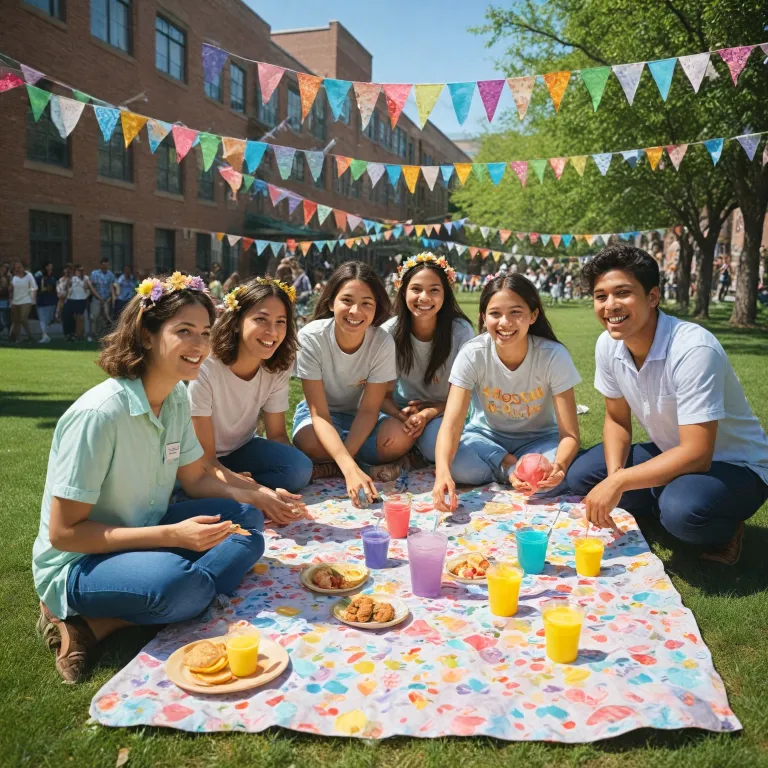
Why spring spirit week ideas matter for schools and workplaces
Spring spirit week ideas sit at the crossroads of celebration and connection. When a school or a company plans a spirit week, it is really designing a shared story that students and employees can live together. A well planned spirit day or series of spirit days can transform an ordinary week into a memorable community ritual.
In schools, a spring spirit week gives students clear day ideas that make participation easy and fun. Each day theme, from color coordinated outfits to nature inspired costumes, helps students dress with confidence while expressing school spirit in visible ways. When teachers encourage students and join the dress themes themselves, the week activities feel less like directives and more like a collective game.
Workplaces can adapt the same spirit week structure to strengthen teams and reduce stress. Managers can create ideas work that respect professional boundaries while still inviting employees to relax, laugh, and connect. A simple spirit day with coordinated colors, lighthearted trivia games, or short themed breaks can make the work day feel more human and less mechanical.
Spring spirit is especially powerful because the season already signals renewal and optimism. Linking spring spirit week ideas to this natural energy helps both students and employees feel that they are part of something bigger than a single event. When leaders organize spirit weeks with intention, they invite every participant to contribute their own unique spirit to the community.
Designing inclusive themes that invite everyone to participate
Thoughtful spring spirit week ideas begin with inclusive planning. Whether you design a week for students or for employees, each day theme should feel accessible to people with different budgets, cultures, and comfort levels. The goal is to encourage students and colleagues to join, not to pressure them into elaborate costumes.
One effective approach is to alternate low effort and higher effort spirit days. For example, a “favorite color” spirit day lets students wear simple outfits they already own, while a “spring around the world” theme invites more creative dress choices inspired by global holidays. In offices, ideas work well when employees can participate by adding a small accessory rather than changing their entire dress code.
Communication is crucial for inclusive week ideas. Send a clear day invite for each theme, explaining what students wear or employees might bring, and emphasize that participation is voluntary. When you organize the schedule, avoid themes that could unintentionally exclude people, such as expensive sports jerseys or culturally sensitive costumes.
Spring is also a natural moment to connect spirit week with kindness and care. A themed “gratitude day” could include writing supportive wishes messages or assembling thoughtful care packages, with guidance drawn from practical ideas for sending a care package and heartfelt wishes. By blending fun with empathy, your spring spirit week ideas help build a culture where every person feels seen and valued.
Balancing fun, learning, and emotional wellbeing in spring spirit weeks
Spring spirit week ideas work best when they balance fun with emotional awareness. Students and employees bring their whole lives into school and work, including stress, grief, and private challenges. A sensitive planner recognizes that a spirit week can offer lightness while still respecting deeper feelings.
One strategy is to weave reflective moments into the week activities. For example, a calm spirit day might invite students dress in soft colors and write wishes messages to their future selves, while teachers lead short discussions about resilience. In workplaces, a wellness themed day could pair relaxed dress guidelines with mindfulness breaks and supportive conversations between team members.
Sometimes spring spirit overlaps with personal anniversaries, losses, or holidays that carry emotional weight. Offering an optional quiet space or a reflective activity acknowledges that not every day theme needs to be loud or extroverted. Resources such as guidance on uplifting comfort grief quotes can inspire compassionate messages for anyone who finds the week emotionally complex.
For schools, this balance also means designing spirit week ideas that support learning rather than distract from it. Trivia games tied to curriculum topics, short themed projects, or reading activities linked to the day ideas can keep academic goals in focus. When leaders encourage students and employees to care for one another during spirit weeks, they reinforce the idea that true school spirit and workplace spirit include empathy as well as enthusiasm.
Creative day themes and games for schools, colleges, and teams
Designing specific day ideas is where spring spirit week ideas become tangible. In schools, a popular structure is to mix dress themes, activity themes, and service themes across the week. This variety keeps students engaged and allows different personalities to shine on different spirit days.
For example, a “spring colors” spirit day lets students wear bright outfits, while a “book character” day theme encourages students dress as literary heroes and discuss their stories. A “kindness in action” day can invite students to write wishes messages to classmates or staff, linking school spirit with everyday generosity. Trivia games about school history or local nature can turn a regular class period into a playful learning session.
Colleges and youth groups can expand these week activities with outdoor games, campus scavenger hunts, or collaborative art projects. Each day invite can highlight a different aspect of spring spirit, from environmental awareness to cultural celebrations, ensuring that the unique spirit of the community is visible. When organizers encourage students to propose their own week ideas, participation and ownership naturally increase.
Sports teams and extracurricular clubs can run mini spirit weeks within the larger schedule. A team focused spirit day might feature coordinated colors, shared warm up music, and supportive signs created by day students from other classes. Linking to resources on thoughtful memorial gestures can also help teams handle moments when remembrance and celebration intersect, especially around important matches or commemorative events.
Adapting spring spirit week ideas for workplaces and remote teams
Workplaces increasingly borrow spring spirit week ideas from schools, adapting them to professional contexts. The aim is to strengthen team cohesion, reduce stress, and express holiday spirit or seasonal energy without undermining productivity. When leaders model participation, employees feel safer bringing their authentic selves to work.
In offices, a simple spirit day might invite employees to add a floral accessory, pastel tie, or spring themed pin to their usual dress. Another day theme could focus on wellness, with short stretching breaks, healthy snacks, and light trivia games about nutrition or movement. Ideas work particularly well when they respect different comfort levels, allowing both extroverted and introverted employees to join in ways that feel natural.
Remote or hybrid teams can still enjoy spirit weeks through virtual backgrounds, themed video calls, and asynchronous challenges. A “workspace spring refresh” day invite might encourage employees to share a small change they made to brighten their desk. Online trivia games, photo contests, or collaborative playlists can keep the week activities engaging without demanding constant screen time.
Some organizations also align spring spirit with broader holiday spirit, especially when late spring overlaps with cultural or religious observances. While christmas is usually associated with winter, references to past christmas themed spirit weeks can help employees understand the format and expectations. Over time, these recurring spirit weeks build a unique spirit that becomes part of the company’s identity and strengthens long term engagement.
Practical planning tips to organize memorable and meaningful spirit weeks
Successful spring spirit week ideas rely on careful planning rather than improvisation. Start by forming a small planning team that represents different ages, roles, and backgrounds, so that week ideas reflect the diversity of your community. This team can gather feedback from previous spirit weeks and identify what worked, what felt exclusionary, and what could be improved.
Create a clear schedule that outlines each spirit day, the day theme, and any associated activities or games. Share this schedule early, using posters, emails, and announcements to invite participation and explain how students wear or employees should adapt their dress. When you organize logistics such as photo permissions, accessibility needs, and classroom or meeting room use, the week activities run more smoothly.
Budgeting is another important element, even for low cost spirit weeks. Decide which elements the school or company will fund, such as small prizes for trivia games, simple decorations, or shared props for themed photos. Encourage students and employees to reuse items they already own, emphasizing that unique spirit does not depend on expensive costumes.
Finally, plan for reflection once the week ends. Ask day students, teachers, and employees which spirit days felt most meaningful and which day ideas they would change next time. By treating each spring spirit week as a learning opportunity, you gradually build a tradition where school spirit, holiday spirit, and everyday kindness reinforce one another across many future spirit weeks.
Key statistics about engagement and themed community events
- Schools that run at least one structured spirit week each term report higher student participation in extracurricular activities, often increasing engagement by 10 to 20 percent.
- Workplaces that organize themed weeks or spirit days at least twice a year see measurable gains in employee morale, with internal surveys frequently showing satisfaction improvements of 8 to 15 percent.
- Short, low cost activities such as trivia games, dress themes, and simple day ideas are among the most widely adopted engagement tools, because they require minimal resources yet reach a large share of students and employees.
- Organizations that invite participants to co create week ideas and vote on day themes consistently report stronger attendance, with some schools noting that more than three quarters of day students join at least one spirit day.
Common questions about planning spring spirit week ideas
How far in advance should a spring spirit week be planned ?
Planning ideally begins four to six weeks before the first spirit day. This window allows organizers to gather input, finalize day themes, and communicate clear expectations. Extra time also helps families and employees prepare outfits or materials without last minute stress.
How can schools ensure that spirit week remains inclusive ?
Schools can prioritize themes that rely on colors, simple accessories, or shared activities rather than costly costumes. They should also invite feedback from diverse groups of students and staff before confirming week ideas. Clear messaging that participation is optional helps reduce pressure on those who prefer not to join every day.
What are some low cost ideas for workplaces ?
Workplaces can focus on themed accessories, virtual backgrounds, and short trivia games that fit into existing meetings. Simple challenges, such as sharing a spring photo or favorite seasonal recipe, cost nothing yet build connection. Managers can also rotate responsibility for each day theme, spreading creativity across the team.
How can organizers measure the success of a spirit week ?
Organizers can track participation rates, gather quick surveys, and observe changes in mood or engagement. Short feedback forms for students and employees reveal which spirit days felt most meaningful. Over time, comparing these responses helps refine future spring spirit week ideas.
Is it appropriate to mix fun themes with more reflective activities ?
Combining lighthearted and reflective themes often makes a spirit week richer and more authentic. A schedule that alternates playful dress days with gratitude or wellbeing activities respects different emotional needs. This balance helps communities express both joy and care within the same shared event.