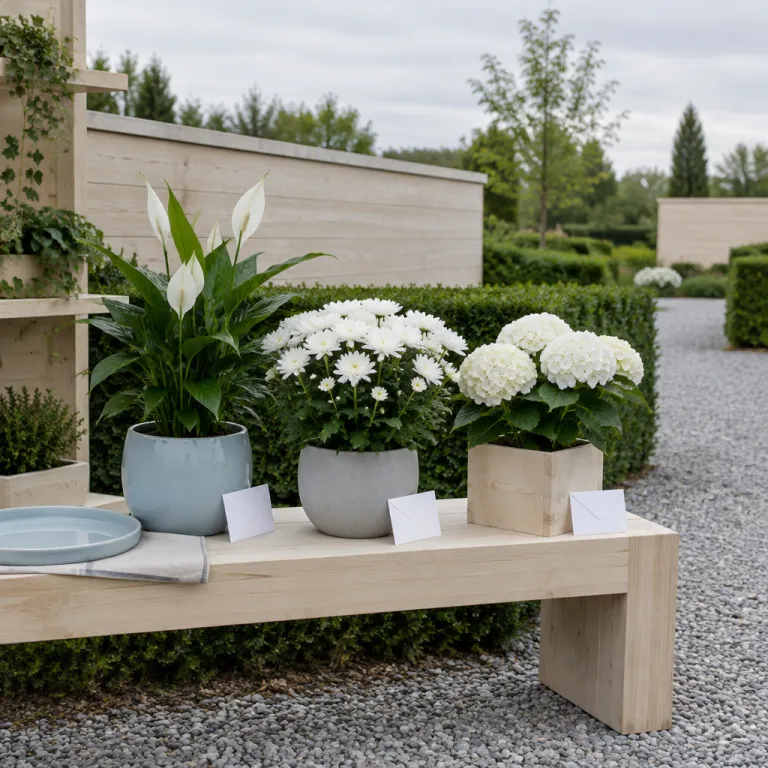
How funeral plants quietly carry a sympathy message
Funeral plants speak when words feel fragile and uncertain. A living plant can echo sympathy and respect long after the funeral flowers have faded from the service. These green symbols of peace give the recipient something to tend, which gently supports grief over time.
When you send a sympathy plant rather than only cut flowers, you offer a gift that grows alongside cherished memories of the person who has died. The choice of funeral plants will often vary depending on culture, faith, and the relationship you had with the deceased, yet the intention remains the same. You are saying that love, care, and remembrance will not end with the funeral service or the last day of public mourning.
Many families appreciate sympathy plants because they can be kept at home, moved to a garden, or shared as a gift family members can nurture together. A single lily plant or peace lily can become a focal point of reflection, while a larger dish garden or medium dish arrangement of mixed plants offers a quiet corner of green calm. Whether you choose one plant or a variety plants grouped in a basket, the message is that life continues and that peace is still possible.
Choosing the right funeral plants for the person and the setting
Selecting funeral plants starts with the person you are honoring and the family who will receive them. Think about whether the recipient has space, time, and light to care for a plant, because the most beautiful sympathy plant will feel like a burden if it is difficult to maintain. Your aim is to send sympathy gifts that fit naturally into their home and their daily life.
Classic sympathy plants include the peace lily, which symbolizes peace and rebirth, and the lily plant more broadly, which is often linked with purity and the soul’s return to light. A structured dish garden or medium dish arrangement can combine several plants in one basket, offering texture and a variety plants that can later be separated and replanted. These living funeral plants can be placed near framed photos, candles, or written tributes, creating a small memorial space that supports reflection and cherished memories.
Color also matters when you order and send a plant for a funeral service or for the home. Many people choose white flowers or white blooming plants for their association with peace and spiritual clarity, while others prefer soft pinks or deep greens that feel grounding. If you are unsure, ask a local florist for guidance and pair your choice with a thoughtful written message or even a link to meaningful words such as inspirational death quotes that bring comfort.
Timing, delivery, and practical details when you send sympathy plants
Once you have chosen the plant, timing and delivery become crucial details. Families are often overwhelmed in the days around a funeral service, so a day delivery that arrives slightly later can sometimes feel more thoughtful. Grief does not end on the day of the funeral, and a sympathy plant that appears a week after the service can gently remind the recipient that support continues.
When you place an order to send funeral plants, check the time zone of the recipient and the policies for plant delivery with the local florist or online service. Same day delivery may be available, but options will vary depending on stock, distance, and the time you order send your gift. Some providers may charge an extra fee for urgent delivery, while others include a standard delivery charge in the total price of the basket or dish garden.
If you plan to plant send arrangements directly to the funeral service venue, confirm that the location accepts plants and flowers and ask where they will be placed. For home addresses, consider whether the person will be there during the day or whether a neighbor can accept the gift family members are meant to receive. You can also coordinate plant send timing with other gestures of care, such as written notes or even thoughtful treats like the ideas shared in this guide on how to express care and comfort with sympathy cookies, so that support arrives in gentle waves rather than all at once.
What different sympathy plants and arrangements communicate
Each type of sympathy plant carries its own quiet language. A single peace lily in a simple white pot often represents peace, hope, and the wish that the person’s soul rests gently. A fuller dish garden or medium dish arrangement, with a variety plants in one basket, can symbolize the many relationships and cherished memories that surrounded the deceased.
When you choose funeral plants, think about how the shapes, colors, and sizes will feel in the recipient’s space. A compact lily plant or small green plant may suit someone in a modest apartment, while a larger garden style arrangement or expansive dish garden works better in a family home. The meaning of these sympathy plants will also vary depending on cultural and religious traditions, so consider whether the family associates certain plants or flowers with mourning or with celebration of life.
Some people prefer sympathy gifts that can eventually be moved outdoors, turning a temporary gesture into a lasting memorial. In that case, ask your local florist for hardy plants that can be replanted in a garden, perhaps creating a small remembrance corner dedicated to the person who has died. Over time, the act of watering, pruning, and watching these funeral plants grow can become a gentle ritual that supports healing.
Coordinating your message, your gift, and other gestures of care
A plant on its own is meaningful, but pairing funeral plants with carefully chosen words deepens the gesture. When you send a sympathy plant or a basket of mixed plants, include a card that names the person who has died and acknowledges the specific loss the recipient is facing. Simple phrases that wish peace, comfort, and strength often feel more sincere than long speeches.
Think about how your plant delivery fits into the wider support network around the grieving family. You might coordinate with friends so that sympathy gifts will vary depending on each person’s budget and relationship, creating a balanced mix of flowers, plants, and practical help. Some people will send funeral flowers for the service itself, while others will order send a lily plant or peace lily for the home, and still others will focus on written messages or acts of service.
Over the following weeks, you can follow up with a message referencing the plant you chose, asking how it is doing and gently opening space for conversation. This shows that your sympathy did not end with the funeral service or the first day delivery of gifts. For more ideas on how to keep showing up for caregivers and grieving relatives, you can read this guide on thank you messages for caregivers who show up when it counts, and adapt its spirit of gratitude to your own situation.
Working with a local florist or online service for plant delivery
Many people feel unsure whether to work with a local florist or an online service when arranging plant delivery for a funeral. A nearby florist often understands local customs around funeral service décor and can suggest appropriate funeral plants for the venue or the home. They can also advise on which sympathy plants travel well and which flowers are too fragile for longer journeys.
Online services, by contrast, may offer a wider variety plants, from classic peace lily arrangements to modern garden style baskets and structured dish garden designs. Availability and pricing will vary depending on the region, the time zone, and the specific day you choose for delivery. Always check whether there is an extra charge for weekend or same day delivery and whether the company guarantees that the plant send will match the photo shown at the time of order.
Whichever route you choose, provide clear information about the recipient, the address, and any restrictions at the funeral service location. Confirm whether the plant should be labeled for the family or for display during the service, and whether the basket or medium dish arrangement will be easy to transport home afterward. Clear communication reduces stress for the person receiving the gift family members will share and ensures that your sympathy plant arrives in good condition.
Respecting time zones, costs, and expectations when you order and send
When friends and relatives live far apart, time zone differences can complicate the timing of sympathy gifts. If you plan to order send funeral plants from another country or region, check cut off times for day delivery and allow extra time for processing. The goal is not perfection but sensitivity, so a plant that arrives a little later with a thoughtful note can still bring deep comfort.
Costs for plant delivery will vary depending on distance, size, and the type of arrangement you choose. A simple lily plant or peace lily in a pot may carry a lower charge than a large garden basket or a complex dish garden with a variety plants. Be transparent with yourself about your budget and remember that the meaning of sympathy plants lies in the intention and the message, not only in the price or scale of the gift.
Finally, manage expectations about how long funeral plants will last and how much care they require. Some families may cherish a long living sympathy plant that becomes part of their home, while others may prefer a medium dish arrangement that offers beauty for a season and then fades. Whatever you choose, pair your gift with honest, compassionate words that honor the person who has died and the cherished memories that remain, and let the living green presence of the plant carry your sympathy forward over time.
Key figures about sympathy plants and funeral gifting
- Industry reports from major floral associations note that sympathy and funeral related purchases represent a significant share of many full service flower shops’ transactions, underlining how central plants and flowers are to mourning rituals.
- Florists commonly observe that spending on sympathy gifts, including funeral plants and flowers, often reflects the closeness of the relationship, with many people choosing modest arrangements for acquaintances and more elaborate designs for close family members.
- Consumer data shared by large online florists indicates that peace lily and mixed dish garden arrangements regularly rank among the most requested sympathy plant choices, reflecting a preference for long lasting, easy care plants.
- Research in environmental psychology has found that indoor plants can help reduce perceived stress and support emotional well being, which helps explain why many bereaved families value living funeral plants in their homes.
FAQ about funeral plants and sympathy messages
Are funeral plants more appropriate than cut flowers for a sympathy gift ?
Funeral plants are not inherently more appropriate than cut flowers, but they serve a different purpose. A plant offers ongoing presence and care, while flowers provide immediate beauty at the funeral service. The best choice depends on the family’s preferences, space, and how they like to remember their loved one.
Which sympathy plant is easiest for a grieving family to care for ?
Peace lily plants and many common dish garden combinations are considered relatively easy to maintain. They usually tolerate moderate light and occasional missed waterings, which suits people who are grieving and may not have much energy. When in doubt, ask a local florist to recommend hardy funeral plants that match the recipient’s home conditions.
Should I send funeral plants to the service or to the home ?
Sending funeral plants to the service allows them to be part of the collective tribute, and the family can later take them home. Sending directly to the home creates a more private gesture that arrives when public ceremonies are over. If you are unsure, you can ask a close relative or the funeral director which option the family prefers.
What should I write on the card that accompanies a sympathy plant ?
Keep your message short, sincere, and specific to the person who has died. You might mention one cherished memory, express sympathy for the family’s loss, and wish them peace and strength. Avoid trying to explain the loss and instead focus on presence, support, and remembrance.
How long do typical sympathy plants last ?
The lifespan of sympathy plants varies widely depending on the species and the care they receive. Some indoor plants, such as peace lilies or mixed foliage in a dish garden, can thrive for many years with proper light and watering. Others may last only a season, yet they still serve as meaningful symbols of support during the most intense period of grief.