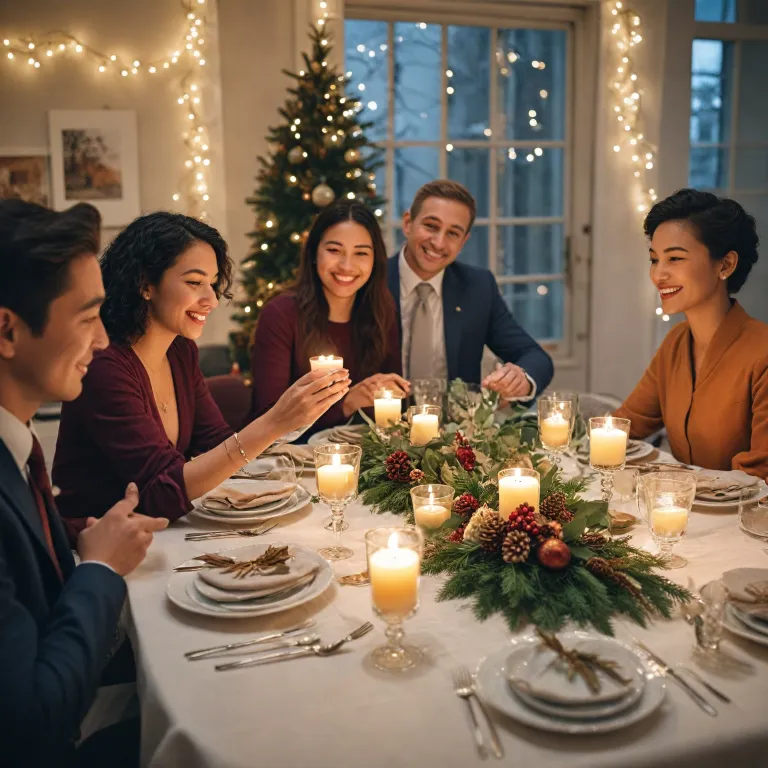
Understanding the role of wishes in a corporate holiday party
Why wishes matter more than the menu
When people think about a corporate holiday party, they often focus on the venue, the catering, the theme, or the photo booth. Those details do matter. They help create festive energy and make the event feel special. But what people remember long after the hors oeuvres and party catering are forgotten is how the company made them feel.
This is where holiday wishes come in. A few carefully chosen words, shared during a holiday celebration, can quietly set the emotional tone of the entire event. They can make a large corporate event feel more human, more personal, and more meaningful. In a season filled with office holiday parties, a company holiday gathering stands out when the wishes sound sincere, not generic.
Wishes as the emotional script of the event
Every corporate holiday party has an unofficial script. There is the welcome, the thanks, the recap of the year, the nod to the future. Wishes are the thread that connects all of this. They help people make sense of why they are gathered, beyond simply having fun.
Thoughtful wishes can :
- Recognize the effort and resilience of teams over the year
- Reinforce the company values in a warm, non corporate way
- Support a sense of belonging across departments and locations
- Bridge the gap between leadership and employees
- Turn a routine holiday party into a shared moment of pride
In many organizations, people rarely hear direct appreciation in front of their peers. A corporate holiday event is one of the few moments when leaders can publicly acknowledge the work of their team and express genuine gratitude. The wishes delivered there become a reference point that people carry into the next year.
Connecting wishes with the holiday party theme
Most planning corporate teams invest time in party ideas and themes. It might be a winter wonderland, an ugly sweater contest, a secret santa exchange, or a more formal corporate holiday dinner. The wishes should not feel disconnected from that atmosphere.
For example, if the event has a playful, holiday themed concept with friendly competition and games, the wishes can echo that tone with light humor while still staying professional. If the company is hosting a more elegant corporate event with a sit down dinner, the wishes can be more reflective and structured, matching the setting.
Aligning the message with the theme helps create a coherent experience. People feel that the words, the decor, the activities, and even the catering are all working together to create festive meaning, not just entertainment.
From generic greetings to meaningful recognition
Many corporate holiday wishes sound like they were copied from the same template. They mention “another successful year” and “continued growth” but say little about the real people behind that success. Research in organizational psychology consistently shows that specific, authentic recognition has a stronger impact on motivation and engagement than vague praise.
Meaningful wishes move beyond generic greetings. They :
- Refer to concrete achievements or challenges the company faced during the year
- Acknowledge different teams and functions, not only top performers
- Recognize both professional results and human effort
- Show awareness of how demanding the year may have been
When wishes are grounded in real experiences, people feel seen. This is especially important in large companies where some guests may feel distant from leadership or from the main corporate narrative.
Wishes as a tool for culture building
A corporate holiday party is not just a social event. It is also a culture moment. The way leaders speak, the words they choose, and the tone they set all send signals about what the company truly values.
Well crafted wishes can help :
- Reinforce collaboration by highlighting cross functional wins
- Promote inclusion by recognizing diverse teams and backgrounds
- Encourage well being by inviting people to rest and recharge
- Support psychological safety by acknowledging that not every year is easy
Over time, these messages accumulate. They shape how people talk about the company to friends and family, and how they feel when they walk into the office after the holiday break. In that sense, wishes are not just words for one night. They are part of the long term story of the organization.
Balancing celebration and sensitivity
Holiday parties are meant to be fun. There is music, food, drinks, maybe a photo booth, games, and a relaxed dress code. At the same time, not everyone experiences the holiday season in the same way. Some people may be dealing with personal loss, financial stress, or burnout. Others may not celebrate the same holidays for cultural or religious reasons.
Responsible party planning takes this into account. Wishes can acknowledge the diversity of experiences without making the atmosphere heavy. A simple recognition that the season can be complex for many people, combined with a message of support and respect, can make guests feel more comfortable and included.
This is also where wishes can gently touch on well being and mental health, which will be explored more deeply later. Even a short line about taking time to rest, connect with loved ones, or seek support when needed can signal that the company cares about people beyond their performance.
How wishes influence the overall experience
From a practical point of view, wishes influence how people remember the event. Two corporate holiday parties can have similar budgets, similar catering, and similar entertainment, yet feel completely different because of the tone set by the messages shared.
Consider how wishes interact with other elements of party planning :
- Timing : Opening wishes can welcome guests and set expectations. Closing wishes can leave a final emotional impression.
- Format : Spoken speeches, printed cards on tables, messages on screens, or notes in gift bags all carry different weight.
- Audience : A message for the whole company will sound different from a message for a small team or a specific department.
- Activities : Wishes can introduce or wrap up activities like secret santa, friendly competition games, or recognition moments.
When wishes are treated as a central part of party planning, not an afterthought, they help create a more coherent and memorable holiday celebration. They connect the fun elements of the event with the deeper purpose of bringing people together.
Learning from broader practices of heartfelt expression
Corporate wishes do not exist in a vacuum. They are part of a wider practice of expressing appreciation and care in meaningful ways. Insights from other types of messages, such as heartfelt expressions for celebrating life, can help communicators move beyond formulaic corporate language.
Those approaches emphasize sincerity, specificity, and emotional clarity. Applied to a company holiday event, they encourage leaders and organizers to speak in a more human voice, even in a formal setting. This shift can make the difference between a holiday party that people simply attend and one they genuinely remember.
Setting the stage for the rest of the holiday message strategy
Understanding the role of wishes is the first step. Once this is clear, it becomes easier to decide how to write them, how warm or formal they should be, how to adapt them to different audiences, and how to avoid the usual clichés that make many corporate events feel interchangeable.
In practice, this means treating wishes as a strategic element of party planning, alongside the venue, the theme, the guest list, and the activities. When companies do this, they do not just create festive nights. They create moments that strengthen trust, connection, and shared purpose for the year ahead.
Key principles for writing professional yet warm wishes
Balancing professionalism and warmth in your wording
Corporate holiday wishes work best when they sound human, but still respect the context of a company holiday party or end of year corporate event. The tone should be warm, clear and inclusive, without becoming too personal or casual.
A useful way to think about it : imagine you are speaking to a mixed room of people at the office holiday celebration. Some guests are long time colleagues, others are new hires, some are external partners. Your message needs to feel safe and respectful for everyone in that festive atmosphere.
In practice, this balance usually means :
- Using simple, positive language that most people understand
- Avoiding slang, inside jokes or anything that could exclude some teams
- Keeping the focus on appreciation, collaboration and the year you have shared
- Staying away from sensitive topics such as politics or personal beliefs
When you prepare wishes for a company holiday party, you can still be warm and human. Mention the effort people put into projects, the way teams supported each other, or how everyone contributed to planning corporate initiatives and corporate events. This keeps the message grounded in real work and shared experience.
Keeping wishes aligned with the company culture and event theme
Holiday wishes should not feel disconnected from the rest of the party planning. They need to match the culture of the company and the theme of the holiday party or winter wonderland style corporate holiday event.
Before you write, ask yourself :
- Is our culture more formal or more relaxed ?
- Is this a small office holiday gathering or a large corporate event with many guests ?
- What is the holiday themed concept for the evening : ugly sweater contest, friendly competition with games, secret santa exchange, or a more elegant dinner with hors oeuvres and full party catering ?
If the company culture is quite formal, wishes might focus on achievements, strategic goals and appreciation for professionalism. If the culture is more relaxed and the party ideas include an ugly sweater contest, a photo booth and playful activities, you can allow a slightly lighter tone, while still staying respectful.
Aligning your message with the event theme also helps create festive continuity. For example, if the planning team has set a winter wonderland theme, you can use gentle seasonal imagery in your wording, without overdoing it. This connection between the spoken wishes, the decor, the catering and the activities helps people feel that the whole holiday celebration is thoughtfully designed.
Focusing on appreciation, inclusion and shared success
At the core of professional yet warm wishes is a simple idea : people want to feel seen and valued. A corporate holiday party is not only about food, music and party ideas. It is a moment to recognize the effort that went into the year, from intense project delivery to the quiet, daily work that keeps the company running.
Strong wishes usually include three elements :
- Appreciation for individual and team contributions
- Inclusion of all departments, roles and backgrounds
- Shared success that highlights what you achieved together this year
Instead of praising only one high profile project, try to mention how different teams, from operations to support functions, helped create results. This is especially important in larger holiday parties where not everyone knows each other. Inclusive language helps people feel part of the same story, even if they work in different locations or on different products.
Also, remember that not everyone celebrates the same holidays in the same way. Using expressions like “holiday season” or “end of year” can be more inclusive than focusing on a single tradition. The goal is to keep the wishes open enough so that all guests can feel comfortable and respected.
Being specific without becoming too personal
Generic wishes like “Happy holidays to everyone” are safe, but they rarely feel memorable. On the other hand, going too personal can be uncomfortable in a corporate setting. The key principle is to be specific about work and collaboration, not about private lives.
You can mention :
- Key milestones the company reached this year
- How teams adapted to change or supported each other
- Moments of collaboration that helped create a successful project or event
- Collective efforts in planning corporate initiatives, including this company holiday party
What you should avoid is commenting on individual personal situations or making assumptions about how people spend their holidays. Keep the focus on the shared professional journey and the sense of community inside the company.
For more guidance on how to keep messages meaningful and still appropriate in a professional context, resources on how to create meaningful real estate holiday cards for your clients offer useful parallels in tone and structure, especially around balancing warmth and professionalism : meaningful professional holiday messages.
Matching the message to the format and moment
The same wish can feel very different depending on when and how it is delivered during a holiday party. A short toast before the meal, a message printed on table cards near the hors oeuvres, a note in a secret santa card, or a short speech before a friendly competition game all require slightly different wording.
Some simple principles help you adapt :
- Spoken wishes during the event should be shorter, with clear sentences and a natural rhythm
- Written wishes in emails, cards or on screens can be a bit more detailed, but still concise
- Visual formats near the photo booth or on signage can use one strong line that captures the spirit of the holiday celebration
Think about the energy in the room. Early in the evening, when people arrive and explore the catering, decor and activities, a welcoming message that sets the tone works well. Later, when the party is in full motion, a long speech can break the flow. Keeping wishes aligned with the moment helps guests stay engaged and keeps the atmosphere fun and relaxed.
Staying authentic while respecting boundaries
Finally, professional yet warm wishes need to sound authentic. People can feel when a message is only a formality. Even in a carefully planned corporate holiday event, a simple, honest sentence often has more impact than a long, polished speech that feels distant.
Authenticity does not mean saying everything that comes to mind. It means choosing words that reflect real gratitude and realistic optimism for the year ahead, while respecting the boundaries of a corporate environment. Avoid promises the company cannot keep, avoid exaggeration, and avoid language that could pressure people to feel a certain way about the holiday season.
When you keep these principles in mind, your wishes naturally support the broader goals of the holiday party : to create festive connection, to celebrate the work of the year, and to let people relax together in a safe, respectful and genuinely appreciative setting.
Real examples of wishes for different corporate audiences
Warm wishes for your immediate team
When you write for your own team, you usually know the people, the projects, and the pressure they have been under all year. Your wishes can be more specific and a little more relaxed, while still staying professional enough for a corporate holiday event.
Examples you can adapt :
-
For a small team at an office holiday party
“Thank you for everything you have put into this year. Your dedication, ideas, and good humour have made even the busiest days easier. I hope this holiday party gives you a chance to relax, enjoy the festive atmosphere, and feel proud of what we have achieved together.”
-
For a team that has faced a demanding year
“This year asked a lot from our team, and you showed up with resilience and care for one another. As we celebrate this company holiday gathering, I hope you can pause, breathe, and enjoy the fun, the food, and the people around you. You have earned it.”
-
For a cross functional project team
“Working across teams is not always easy, yet you managed to create real collaboration and trust. Tonight’s holiday celebration is a reminder that behind every project are people who listen, support, and keep going together. Thank you for making this year’s work something we can all be proud of.”
These kinds of wishes work well when you speak during a toast, write a short message on table cards near the hors oeuvres, or share a note in a follow up email after the party.
Wishes for the whole company at a large holiday celebration
When you address the entire company, your wishes need to include everyone : different departments, seniority levels, and locations. The tone should be inclusive, clear, and aligned with the corporate culture and the holiday party theme.
Examples for a company wide holiday party :
-
General corporate holiday message
“Thank you to everyone who contributed to this year’s success, whether you work on the front line, behind the scenes, or somewhere in between. Tonight’s corporate holiday party is our chance to step away from deadlines, enjoy good catering, and simply connect as people. I wish you a peaceful season and a new year filled with energy and new ideas.”
-
For a company that has grown quickly
“This year, our company welcomed many new colleagues and new teams. Growth can be exciting and also challenging. As we gather for this holiday celebration, I hope you feel part of a shared story that we are still writing together. Thank you for bringing your skills, your curiosity, and your kindness to this workplace.”
-
For a company focused on clients or community
“Every day, your work makes a difference for the people we serve. Tonight’s office holiday event is a moment to celebrate that impact and to recognise the effort behind it. May this season bring you rest, connection, and the simple joy of being together as one company.”
These messages can be used in a short speech, printed on the event program, or displayed near the entrance where guests arrive and set the tone for the evening.
Holiday wishes tailored to leadership and management
Leaders and managers also need wishes that feel genuine, not just formal. The aim is to recognise their responsibilities without sounding distant or overly flattering. Keeping the message grounded in shared goals and team support helps.
Examples you can use or adapt :
-
From employees to leadership
“Thank you for guiding us through a demanding year and for keeping space for honest conversations along the way. As we enjoy this holiday themed corporate event, we appreciate the effort that went into planning corporate activities that bring people together, not just to talk about work, but to connect as a community.”
-
From leadership to managers
“To all our managers : your daily support, coaching, and problem solving often happen quietly, yet they shape the experience of our teams. During this company holiday gathering, I hope you can step back from the details, enjoy the fun, and feel how much your work matters.”
-
From leadership to all staff
“You have shown commitment, creativity, and care for one another throughout the year. As we celebrate together tonight, I want to thank you for the way you support our clients and each other. May this season bring you time with the people who matter most and a chance to recharge.”
Inclusive wishes for diverse teams and guests
In many corporate events, not everyone celebrates the same holidays, and not everyone feels comfortable with a strong seasonal focus. Inclusive wishes keep the message centred on appreciation, rest, and connection, rather than on one specific tradition.
Examples of inclusive wording :
-
For a diverse, global workforce
“Whether or not you mark a particular holiday at this time of year, I hope this gathering gives you a chance to pause, connect, and enjoy the company of colleagues. Thank you for the many perspectives and experiences you bring to our teams. They make our work richer and our culture stronger.”
-
For a neutral seasonal message
“As the year comes to a close, I wish you moments of rest, reflection, and joy, in whatever way feels right for you. Thank you for your contribution to this organisation and for the way you support the people around you.”
-
For guests and partners at a corporate event
“We are grateful you could join us for this year end celebration. Your partnership and trust mean a great deal to our company. We wish you a season of meaningful connections and a new year filled with opportunities that support your people and your goals.”
Inclusive wishes work especially well when printed on signage, displayed near the photo booth, or shared by the host when welcoming guests at the start of the holiday party.
Playful wishes that match the party theme
Some corporate holiday parties lean into fun party ideas : an ugly sweater contest, a winter wonderland theme, a friendly competition with games, or a secret santa exchange. Your wishes can echo this playful side while still sounding respectful and thoughtful.
Examples that connect with the event theme :
-
For an ugly sweater or light hearted theme
“Thank you for bringing your best work all year and your worst sweaters tonight. I hope this evening reminds you that our company is not only about targets and timelines, but also about people who can laugh together, support each other, and create festive memories.”
-
For a winter wonderland style event
“As we step into this winter wonderland, I hope you can leave the to do lists at the door and simply enjoy the moment. May this holiday party give you time to connect, share stories, and feel part of a team that values who you are, not just what you deliver.”
-
For a party with games or friendly competition
“We spend much of the year solving complex problems together. Tonight, the only challenge is to have fun, cheer each other on, and maybe win a game or two. Thank you for the energy you bring to our work and to this celebration.”
These wishes can be used by the event host, printed on game instructions, or shared by team leads when they gather their group for a quick toast before the activities start.
Short wishes for cards, screens, and digital channels
Not every message needs to be a speech. During party planning, it helps to prepare short wishes that can appear on table cards, digital screens, or internal channels. They support the overall party planning and help create festive continuity throughout the space.
| Format | Example wish |
|---|---|
| Table card near party catering | “Enjoy the food, the conversation, and the break you deserve. Thank you for all you have done this year.” |
| Screen message during a slideshow | “Here is to the projects we completed, the challenges we faced, and the people who made it possible. Wishing you a restful and joyful season.” |
| Internal chat or intranet post | “Thank you for bringing your best to our teams every day. May this holiday party be a moment to relax, reconnect, and celebrate together.” |
If you need more inspiration for short, human centred wording, you can explore additional examples of heartfelt holiday wishes and adapt them to your company culture and event format.
Wishes that quietly support well being
Even in a festive atmosphere, some people arrive at a corporate holiday party feeling tired, stressed, or worried. Without turning the event into a heavy conversation, your wishes can gently acknowledge that reality and invite people to take care of themselves.
Examples that balance celebration and care :
-
For a general audience
“This time of year can be joyful and also demanding. As we celebrate together tonight, I hope you find small moments of calm, laughter, and connection. Thank you for all you have given this year, and please remember to keep some energy for yourself too.”
-
For teams that have been under pressure
“You have carried a lot this year, both at work and outside of it. I hope this evening gives you a chance to slow down, enjoy the company of colleagues, and feel supported. Your well being matters as much as your performance.”
These kinds of wishes can be shared in a short speech, in printed messages around the venue, or in a follow up note after the event, reinforcing that the company sees people, not only results.
Addressing a deeper subject: wishes that support employee well‑being and mental health
Why well being belongs in your holiday wishes
At a corporate holiday party, people notice more than the catering, the winter wonderland theme, or the photo booth. They listen closely to the words leaders use. Wishes that acknowledge well being and mental health show that the company sees employees as people, not just as teams or resources.
Research from the World Health Organization indicates that workplace stress and burnout have a measurable impact on productivity and health. When your holiday celebration includes language that normalizes rest, balance, and support, you help reduce stigma and create a more psychologically safe environment for the year ahead.
In a festive atmosphere, this does not mean turning the event into a therapy session. It means weaving short, sincere messages into speeches, cards, and digital greetings that say, in effect : “Your health and peace of mind matter here.”
Practical ways to weave well being into your wishes
When planning corporate holiday parties, you can set a tone that supports mental health without losing the fun. The key is to keep the message simple, human, and consistent with the rest of the party planning.
- Normalize rest and boundaries : Encourage people to disconnect after the company holiday event and enjoy time away from work.
- Recognize emotional ups and downs : Not everyone experiences the holiday season as joyful. A short acknowledgment can make guests feel seen.
- Highlight available support : If your company offers an employee assistance program or mental health benefits, mention them briefly and clearly.
- Connect well being to team success : Frame mental health as part of sustainable performance, not a personal weakness.
These ideas can be reflected in the way you set up the corporate event itself. For example, during party planning, you might create quiet corners away from loud music, keep speeches short, and ensure hors oeuvres and non alcoholic drinks are easy to access. Your wishes then reinforce that the company respects different energy levels and social comfort zones.
Sample wish phrases that support mental health
Here are concrete wording ideas you can adapt to your own company culture and holiday party theme. They work in speeches, printed cards on tables, or messages displayed near the photo booth or bar area.
- “As we celebrate this holiday party together, we also want you to take real time for yourself and your loved ones. Your rest and well being are as important as any project we deliver.”
- “This season can be busy and sometimes heavy. If you are finding things difficult, please remember you are not alone and support is available through our employee assistance resources.”
- “Thank you for everything you have given this year. Our wish for you is simple : quiet moments, good health, and the space to recharge in the way that feels right for you.”
- “Tonight is about connection, not performance. We hope this corporate holiday celebration gives you a chance to relax, laugh, and feel part of a team that cares about your whole self.”
- “Whether you are joining the ugly sweater contest, the friendly competition at the games table, or just enjoying the hors oeuvres, we hope you feel free to participate in the way that suits your energy tonight.”
Notice that these wishes stay professional, but they still sound human. They do not diagnose, they do not give advice, and they do not pressure people to share. They simply open the door to a more compassionate culture.
Aligning wishes with inclusive and supportive party design
Words are powerful, but they land better when the corporate event itself reflects the same values. When you create festive plans for holiday parties, think about how the structure of the evening supports well being.
| Party element | Well being focused choice | Supporting wish idea |
|---|---|---|
| Theme and activities | Mix high energy options (dance floor, games, secret santa, ugly sweater contest) with low key spaces for quiet conversation. | “Whether you are here for the lively games or a calm catch up with colleagues, we hope this evening feels comfortable and enjoyable for you.” |
| Party catering | Offer varied food and drink options, including non alcoholic choices and lighter hors oeuvres. | “We have tried to set up food and drinks so everyone can find something that fits their needs and preferences tonight.” |
| Schedule and timing | Keep the program focused, avoid very late mandatory activities, and respect that people have lives outside the office holiday event. | “Thank you for taking time out of your evening to be here. Our wish is that you can enjoy this celebration and still have time to rest.” |
| Participation expectations | Make games and party ideas optional, including secret santa or friendly competition activities. | “Join in the activities that feel fun for you, and feel free to simply relax and observe if that is more your style tonight.” |
When your planning corporate decisions and your wishes send the same message, people are more likely to believe that the company genuinely cares about their mental health.
Respecting privacy and boundaries in your wording
Supporting mental health in a corporate setting also means respecting privacy. Holiday themed wishes should never pressure people to share personal struggles or single out individuals. Instead, keep the language collective and open.
- Avoid : “If you are struggling with anxiety or depression, please come talk to us tonight at the party.”
- Prefer : “If you ever need support, during the holidays or any time of year, our confidential assistance resources are here for you.”
This approach keeps the focus on the company’s responsibility to provide support, not on employees to disclose. It also fits naturally into a company holiday speech or message that thanks teams for their work and looks ahead to the new year.
In the end, the most credible and trustworthy wishes are those that match what people experience day to day. If your corporate events, policies, and leadership behavior already support well being, your holiday wishes will simply make that commitment visible in a warm, human way.
Adapting wishes to different formats at a corporate holiday party
Shaping wishes for live speeches and toasts
When wishes are spoken during a corporate holiday party, they need to be shorter, clearer, and easier to remember than what you might write in an email or on a card. The goal is to make people feel seen, without turning the moment into a long speech that slows down the holiday celebration.
A few practical guidelines for spoken wishes at a company holiday event :
- Open with gratitude for the year, the teams, and the shared effort.
- Connect to the event theme so the message feels part of the evening, not separate from it. If the theme is a winter wonderland, for example, you can mention “closing the year together in this winter wonderland, stronger as a team”.
- Keep it under two minutes so guests stay engaged and the festive atmosphere continues.
- End with a clear wish for the coming year : well being, collaboration, growth, or a more balanced pace of work.
Spoken wishes work best when they sound like a conversation, not a script. A few small pauses, a natural tone, and a simple structure help people remember the message long after the holiday party is over.
Writing wishes for printed materials and decor
Printed wishes quietly support the mood of a corporate holiday event. They do not need to be long. They need to be consistent with the company values and the party ideas chosen by the planning corporate team.
Common printed formats include :
- Table cards near hors oeuvres or party catering stations
- Signage at the entrance of the office holiday or company holiday event
- Small notes on gift bags, secret santa tables, or friendly competition stations
- Posters near the photo booth or holiday themed activity zones
For these formats, short lines work best. For example :
- “Wishing our teams a season of rest, recognition, and renewed energy.”
- “Thank you for helping us create a workplace where people can grow and feel supported all year.”
- “Here is to a new year of collaboration, curiosity, and shared success.”
Printed wishes can also gently reinforce messages about well being. A simple sentence like “Tonight is for you, to pause, connect, and recharge” can remind guests that the corporate holiday party is not only about fun, but also about care.
Adapting wishes for digital screens and presentations
Many corporate events now use screens for slideshows, short videos, or live updates. Wishes on screens need to be even more concise, because people only look at them for a few seconds while they move around the party.
To keep digital wishes effective :
- Use one key idea per slide or screen.
- Limit text to one or two short sentences.
- Match visuals to the holiday party theme, whether it is an elegant winter wonderland, a relaxed ugly sweater gathering, or a classic office holiday celebration.
- Rotate messages that speak to different groups : new hires, long term employees, remote teams, and support staff.
Examples of screen friendly wishes :
- “To everyone who kept our services running this year : your dedication matters more than you know.”
- “To our remote teams joining from afar, you are part of this celebration too.”
- “May the coming year bring you meaningful work, supportive colleagues, and time to rest.”
These short lines can appear between photos, during a slideshow of team memories, or as part of a loop on screens near the bar or catering area. They help create festive continuity without overwhelming people with text.
Crafting wishes for invitations and pre event communication
The first place many people see your wishes is not at the party itself, but in the invitation and the planning messages that come before. This is where you set expectations for the tone of the corporate holiday event and how you want people to feel.
In invitations and save the date messages, wishes should :
- Signal that the event is inclusive and welcoming.
- Reflect the company culture and the type of holiday parties you want to encourage.
- Give a sense of the theme, whether it is formal, casual, or playful.
- Reassure people that the evening is meant to be enjoyable, not stressful.
For example, a planning corporate team might write :
- “Join us for a relaxed holiday celebration as we thank you for your work this year and look ahead together.”
- “We invite you to an evening designed to celebrate our people, our shared achievements, and the support we offer one another.”
These wishes do more than decorate the invitation. They help create a mental picture of the event, reduce uncertainty, and show that the company values both performance and well being.
Designing wishes for interactive activities and games
Many company holiday events now include interactive elements : a photo booth, a secret santa exchange, an ugly sweater contest, or a friendly competition between teams. Wishes can be woven into these activities in subtle ways that keep the mood light while still aligned with corporate values.
Some practical ideas :
- Photo booth prompts with short wishes like “Here is to a year of teamwork and laughter” or “Capturing the people who make this company what it is”.
- Secret santa tags that include a line such as “Wishing you small moments of joy and calm this season”.
- Game instructions that close with a positive wish : “May the best team win, and may everyone leave with a smile.”
These small touches help create festive continuity across the event. They also show that the company has thought about how people will move, interact, and feel during the evening, not only about logistics like party catering or the event schedule.
Tailoring wishes for follow up messages after the event
Wishes do not have to stop when the music ends. A short follow up message after the holiday party can reinforce appreciation and close the year on a thoughtful note.
In a post event email or internal message, you can :
- Thank people for attending and contributing to the festive atmosphere.
- Acknowledge the effort of those involved in party planning, from the corporate events team to volunteers.
- Repeat one or two key wishes for the new year, especially around well being and sustainable workloads.
For example :
- “Thank you for bringing such energy to our company holiday gathering. Our wish for you remains the same : a new year where you feel supported, valued, and able to balance work with life outside the office.”
By adapting your wishes to each format, you keep a consistent message across invitations, live speeches, printed materials, digital screens, activities, and follow up notes. This coherence helps people feel that the holiday party is not just a one night event, but part of a broader culture of recognition and care that lasts all year.
Common mistakes to avoid when writing corporate holiday wishes
Avoiding vague or generic wording
One of the most common mistakes in corporate holiday wishes is relying on phrases that could fit any company, any year, any event. When every message sounds like a template, people quickly tune out, no matter how beautiful the office holiday decor or how impressive the party catering looks.
Watch out for messages that say almost nothing specific about your company, your teams, or the year you have shared. For example :
- “Wishing everyone a happy holiday season and a successful new year.”
- “Thank you for all you do.”
- “We appreciate your hard work.”
These are not wrong, but they are thin. At a corporate holiday party, people want to feel that the company sees them, not just the headcount. Connect your wishes to concrete moments from the year, to the corporate events you hosted, to the big projects that required real effort from the team.
Instead of a generic line, you might briefly mention how teams pulled together during a demanding planning phase, how they supported each other during a busy product launch, or how they helped create a festive atmosphere even when deadlines were tight. Specific details make your wishes feel earned, not automated.
Not aligning the tone with the company culture
Another frequent issue is a mismatch between the tone of the wishes and the culture of the company. A very formal message at a relaxed holiday party with an ugly sweater contest and a photo booth will feel stiff. On the other hand, a playful, joke heavy message at a conservative corporate event can feel unprofessional.
Before writing, think about the overall holiday party planning. What is the theme ? Winter wonderland, classic corporate holiday, or casual office holiday celebration with friendly competition and secret santa exchanges ? The tone of your wishes should echo that atmosphere.
- If the company culture is formal, keep the language polished but still warm.
- If the culture is more relaxed, you can allow a little humor, as long as it stays respectful and inclusive.
- If your teams are global or cross functional, avoid slang or references that only a small group will understand.
Consistency between the message, the event theme, and the way leaders usually communicate helps people feel that the wishes are authentic, not forced for the occasion.
Overlooking inclusivity and diversity
Holiday parties and holiday wishes can unintentionally exclude people when the language focuses on one tradition or assumes everyone celebrates the same way. This is a sensitive area in any corporate setting, especially when you bring together people from different cultures, beliefs, and backgrounds.
Common pitfalls include :
- Centering the message on a single religious holiday.
- Using phrases that assume everyone is celebrating with family or in a specific way.
- Ignoring the fact that some people may find this time of year emotionally difficult.
To keep your wishes inclusive, focus on themes like rest, gratitude, connection, and appreciation. You can still mention the holiday season or the company holiday celebration, but avoid language that suggests one tradition is the default for everyone.
When you acknowledge that people experience this time of year differently, you help create a more respectful and psychologically safe environment. That aligns naturally with wishes that support well being and mental health, not just fun and celebration.
Forgetting the human behind the professional
Corporate wishes often lean too far into performance language. If every sentence is about targets, growth, and results, the message can feel like another quarterly update, not a moment of genuine connection at a holiday party.
Remember that people arrive at the event carrying a full year of personal and professional experiences. Some had a great year, others struggled. Your wishes should recognize the human side of work, not only the metrics.
Common mistakes here include :
- Only praising outcomes, never the effort or resilience.
- Talking about “resources” or “headcount” instead of people or teams.
- Using language that sounds like a slide from a strategy deck.
Balance is key. You can mention achievements and company milestones, but also thank people for the way they supported each other, adapted to change, and helped create a supportive environment. This is especially important when you want your wishes to reinforce a culture that values well being, not just output.
Letting the logistics overshadow the message
When planning corporate holiday parties, it is easy to get absorbed by logistics : party ideas, venue, party catering, hors oeuvres, entertainment, photo booth, holiday themed decorations, even the ugly sweater contest. In the rush, the actual wishes sometimes become an afterthought, written at the last minute.
The result is often a message that sounds rushed or disconnected from the rest of the event. For example, a leader might read a generic script that does not mention the theme, the teams present, or the specific efforts that made the year possible.
To avoid this, treat the wishes as part of the event design, not a small add on. When you plan the flow of the evening, set a clear moment for the message and give yourself time to craft it. Think about how the wishes will feel in the room : after the first round of hors oeuvres, before a friendly competition, or just before the dance floor opens.
When the wishes are integrated into the planning, they support the festive atmosphere instead of interrupting it. People feel that the company took the time to speak to them, not just at them.
Using the wrong level of detail for the format
Another mistake is ignoring the format of the wishes. A long, dense speech that might work in a written message can feel heavy in the middle of a lively holiday celebration. On the other hand, a very short line might feel too light if it is the only official message during the company holiday event.
Consider how people will receive the wishes :
- Live speech at a party : Keep it concise, clear, and emotionally focused. People are standing, talking, and thinking about the next activity.
- Printed card on tables : You can add a bit more detail, maybe a sentence about the year and a line about the future.
- Digital follow up : After the event, a slightly longer message can recap the year, thank teams again, and reinforce key values.
When the level of detail matches the format, guests stay engaged. They feel the wishes are designed for them in that moment, not copied from another channel.
Overpromising or using unrealistic language
In the excitement of a festive corporate event, it is tempting to promise that the next year will be perfect or that every challenge is behind you. Overpromising can damage trust, especially if people know that the company is facing real constraints or changes.
Common examples include :
- “Next year will be our easiest year yet.”
- “We have solved all our major challenges.”
- “Everything will be smooth from now on.”
Most people know that work will still be demanding. They do not expect perfection, but they do appreciate honesty. A more credible approach is to acknowledge both the progress made and the work ahead, while emphasizing that the company is committed to supporting its people.
This kind of grounded optimism supports psychological safety. It tells teams that leadership sees reality clearly and still believes in their collective ability to move forward.
Ignoring well being and mental health
Some corporate holiday wishes focus only on celebration and productivity, without any reference to rest, balance, or mental health. In a year where many people may have faced stress, uncertainty, or personal challenges, this silence can feel out of touch.
Common missteps include :
- Only praising long hours and constant availability.
- Framing rest as a reward for performance, instead of a basic need.
- Not mentioning any support resources or policies that help people take care of themselves.
Even a short line that encourages people to rest, recharge, and take care of themselves can make a difference. When your wishes recognize the emotional side of the year, they feel more human and more aligned with a culture that values people, not just results.
Forgetting to connect wishes with the wider company story
Finally, a frequent mistake is treating holiday wishes as a one night message that has nothing to do with the rest of the company narrative. When wishes are disconnected from your values, your strategy, and your everyday communication, they can sound like a performance for the party only.
Instead, think of your wishes as one more chapter in the story you tell all year about who you are as a company. If you have spent the year talking about collaboration, recognition, and learning, your holiday wishes should echo those themes. If you have encouraged teams to share ideas and create a more inclusive environment, mention that progress and thank people for it.
When the message at the holiday party fits naturally with what people hear in meetings, newsletters, and town halls, it feels credible. Guests leave not only with memories of a fun night, but also with a clearer sense of how they fit into the company’s long term journey.