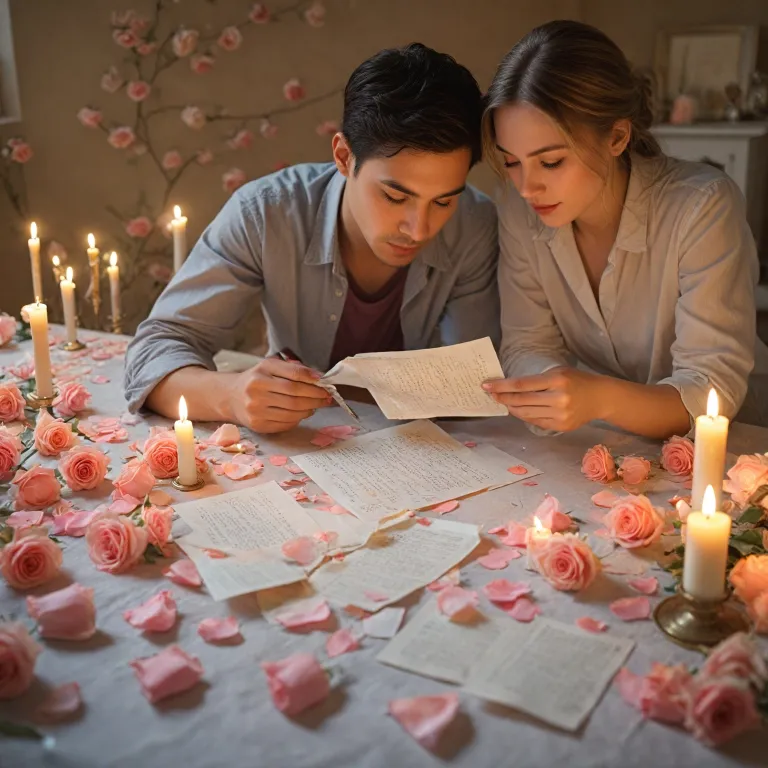
Understanding the power of st valentines day poems
The Emotional Influence of Valentine Poems
Valentine’s Day is a unique time when people openly express their affection and admiration. Throughout history, love poems have played a powerful role in capturing the heart’s deepest feelings. Whether you are writing for a friend, a long-time partner, or someone new in your life, a heartfelt poem can make your message stand out among the many posts and cards exchanged each February.
Poems have a way of reaching beyond simple words. They help us say, “I love thee” or “I will love thee” in a way that feels timeless. The tradition of sharing a love poem on Valentine’s Day is rooted in the belief that poetry can express what ordinary language cannot. A single line, such as “my heart is thine,” can carry more weight than an entire letter. This is why so many people turn to classic forms and sweet verses to mark this special day of love.
- Poems can transform a simple valentine message into a cherished memory.
- They allow you to express true love, admiration, and gratitude in a creative way.
- Even a short poem can show how much you value someone’s presence in your life.
From the famous “rose is red” lines to more modern expressions, the act of sharing a poem on Valentine’s Day is about more than tradition. It’s about making a connection that lasts beyond the day itself. If you’re looking for inspiration or want to see how others have crafted their own heartfelt valentines, you might find heartfelt valentines day messages for mom helpful for understanding the emotional depth that poems can bring to your wishes message.
As you explore ways to choose the right words and personalize your poem, remember that the power of a valentine poem lies in its ability to make the recipient feel truly seen and loved. Whether you draw inspiration from classic poets or write from your own heart, your words can become a lasting symbol of your affection.
Choosing the right words for your wishes message
Finding Words That Speak to the Heart
When it comes to crafting a wishes message for Valentine’s Day, the words you choose matter as much as the sentiment behind them. The right words can transform a simple note into a lasting memory, echoing the true love and affection you feel. Whether you are writing a short poem or a longer message, focusing on genuine emotion is key.
- Reflect on your feelings: Take a moment to think about what makes your relationship unique. Is it the way their eyes light up when they smile, or the comfort you find in their presence? Let your heart guide your pen.
- Draw inspiration from classic love poems: Words like "thee," "thy," and "sweet" have been used for centuries to express deep affection. While you don’t have to write like poets from Februarys past, borrowing their language can add a timeless touch to your message.
- Keep it simple and sincere: Sometimes, a straightforward "I will love thee all my life" can be more powerful than elaborate verses. Simplicity often resonates more deeply.
- Use imagery: Comparing your love to a rose or describing how time stands still when you are together can make your message more vivid and memorable.
For those looking to send a message to a friend or someone special, you might find inspiration in crafting heartfelt valentine cards for friends. This can help you choose words that celebrate friendship and affection without feeling forced.
| Word/Phrase | Emotion Conveyed | Example Usage |
|---|---|---|
| Love thee | Devotion | "I will love thee until the end of time." |
| Sweet | Affection | "Thy sweet smile brightens my day." |
| Rose | Romance | "A rose for my valentine, as lovely as thy heart." |
| True love | Enduring bond | "True love will find us, no matter the distance." |
Remember, whether you are inspired by classic valentine poems or your own experiences, the most important thing is that your message comes from the heart. The words you choose today can become cherished memories for years to come.
Simple structures for heartfelt poems
Building a Poem That Speaks from the Heart
When it comes to expressing love on Valentine’s Day, simplicity often carries the most meaning. A heartfelt poem doesn’t need to be complicated or filled with grand words. The most memorable valentine poems use clear language and a structure that lets your feelings shine through.- Start with a simple theme: Focus on what you cherish most about your loved one—perhaps their eyes, the way they make your life brighter, or the sweet moments you share. This makes your poem feel personal and true.
- Use classic structures: Many timeless love poems, from those written in February to those remembered in August, use short lines and gentle rhymes. For example, the classic “rose is red, violet is blue” format is easy to adapt for your own message.
- Repeat key words: Words like love, heart, day, and valentine help reinforce your message. Phrases such as “I will love thee” or “my heart is thine” echo the language of famous poets and add a touch of tradition.
- Keep it short: A few lines can say more than a long poem. Focus on the feeling you want to share, whether it’s about true love, friendship, or the joy of sharing life together.
If you’re writing for a friend or a long-time partner, you can adapt the structure to fit your relationship. The important thing is to let your words come from the heart. For more inspiration on expressing gratitude and affection, you can explore heartfelt expressions of gratitude that show how simple words can create a lasting impact. Remember, the best love poems are those that feel genuine. Whether you draw inspiration from classic poets or your own life, a simple structure helps your message of love shine on Valentine’s Day.On this day, my heart is thine,
Sweet as a rose in February’s time.
With every glance from thy loving eyes,
My love for thee will never die.
Real example of a st valentines day wishes poem
A Sample Valentine’s Day Poem to Inspire Your Message
When you want to express true love on Valentine’s Day, sometimes a simple poem can say more than a long letter. Here’s a real example of a heartfelt poem, using classic language and timeless symbols of love. Notice how it weaves in words like "thee," "thy," and "sweet," echoing the style of traditional valentine poems. This approach helps your message feel both personal and poetic.Roses bloom in February’s light,
Upon this day, my heart takes flight.
With eyes that shine, I see thee near,
Sweet friend, my love grows every year.
Long as the stars above us will gleam,
I will love thee, in life and dream.
Thy laughter, thy kindness, thy gentle way—
These gifts I cherish, this Valentine’s Day.
- Classic words: Using words like "thee" and "thy" adds a timeless touch, inspired by love poems from the past.
- Symbols of love: Roses, stars, and dreams are common in valentine poems, making the poem feel familiar and warm.
- Personal connection: Mentioning qualities like laughter and kindness helps the poem feel unique to your relationship.
Personalizing your poem for deeper impact
Making Your Poem Truly Yours
Personalizing a valentine poem is what transforms it from a simple message into a cherished memory. While classic love poems and timeless words like "thee," "thy," and "will" can add elegance, the real magic comes from weaving in your own experiences and feelings. This day is about celebrating your unique bond, so let your heart guide your pen.
- Include Shared Memories: Mentioning a special day, a long walk, or a moment when you first realized your true love can make your poem resonate deeply. Even a simple reference to the way your friend’s eyes light up can make your message unforgettable.
- Use Personal Language: Swap out generic phrases for words that reflect your relationship. If you often call your partner "sweet" or "rose," include those terms. The more your poem sounds like you, the more authentic it will feel.
- Reflect on Your Journey: Think about how your love has grown over time—from the first day you met to this February’s valentine day. Expressing how your love will continue to blossom shows commitment and depth.
- Draw Inspiration from Classic Poets: While you don’t need to write like William Shakespeare or use the style of poems valentine from centuries past, you can borrow the spirit of their passion. Let your words echo the sincerity found in love poems throughout history.
Remember, the best valentine poems are those that come from the heart. Whether you choose a simple structure or a more elaborate style, your loved one will feel the authenticity behind your words. Personal touches—like recalling a day in August or promising to live love every day—help your poem stand out among the many valentines posts shared each year.
Common challenges and how to overcome them
Overcoming Writer’s Block and Finding Inspiration
Writing a love poem for Valentine’s Day can feel daunting, even for those who cherish the art of poetry. Many people worry their words will not capture the depth of their feelings, or that their message will not sound as beautiful as the classic valentines poems. If you find yourself staring at a blank page, remember that even the most celebrated poets faced similar struggles.
- Start simple: Begin with a single word or phrase that reminds you of your loved one. Words like "rose," "heart," or "sweet" can spark ideas and help you build your poem line by line.
- Draw from real life: Use memories from your time together, such as a special day in February or a long walk with your friend. Personal details make your poem feel genuine and unique.
- Don’t chase perfection: The true value of a valentine poem lies in its sincerity, not in flawless rhyme or structure. Even a simple "I love thee" can be more powerful than elaborate verses.
Addressing Common Concerns
Many worry their poem will sound clichéd or unoriginal. It’s true that themes like "love will last forever" or "eyes like a rose" have appeared in countless love poems. However, your personal touch—your voice, your memories—transforms familiar lines into something meaningful. If you feel stuck, read a few classic valentine poems for inspiration. Notice how poets express true love in their own way, whether through a single word or a long, flowing verse.
- Embrace imperfection: Your loved one values your effort and heart more than perfect meter or rhyme. A heartfelt message, even if simple, can have a lasting impact.
- Use prompts: Try finishing sentences like "I will love thee because…" or "My heart is yours every day…" These starters can help you find your voice and express your feelings.
Making Your Poem Stand Out
To make your valentine day poem memorable, focus on what makes your relationship unique. Mention a shared moment, a favorite place, or a small gesture that means a lot. These details show your loved one that your poem is crafted just for them, not copied from a post or a book.
| Challenge | Solution |
|---|---|
| Finding the right words | Use simple language and speak from the heart |
| Fear of being unoriginal | Personalize with your own memories and feelings |
| Writer’s block | Start with a prompt or a single word that inspires you |
Remember, the most touching valentines day poems come from a place of honesty and affection. Whether your poem is long or short, classic or modern, your love will shine through when you write with intention and care.
