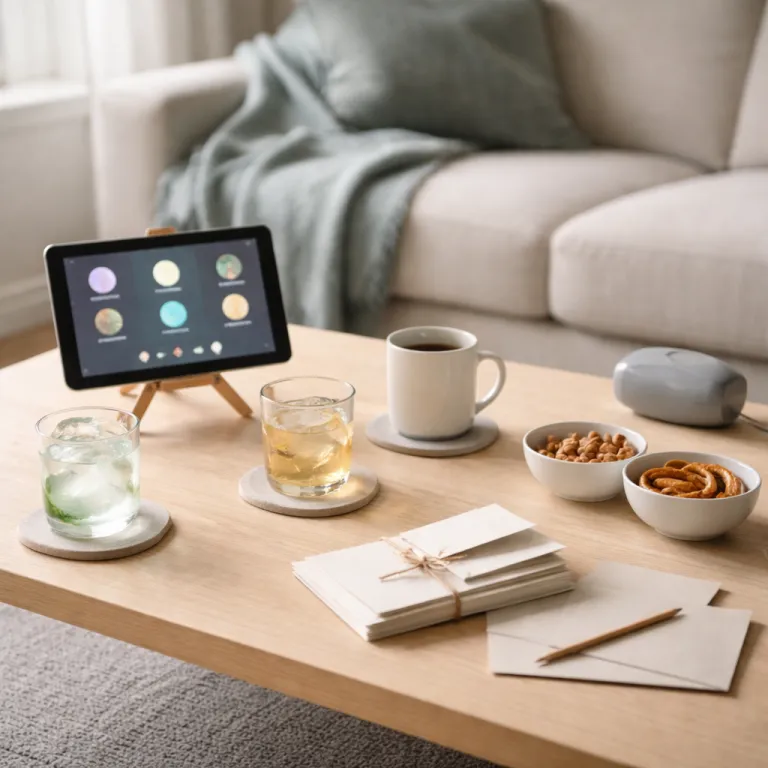
Why virtual happy hour messages matter more than you think
A virtual happy hour looks simple on the surface, yet its emotional impact can be profound. When a team gathers online for a shared hour, each message of welcome or appreciation will shape how safe and valued people feel. Thoughtful words turn a routine virtual event into a human experience that team members remember.
In remote teams, a short happy note in chat can replace the casual corridor talk that once kept morale high. Leaders and peers who take time to send a kind message before the virtual happy hour signal that this hour game is not just another meeting, but a pause for connection. These small rituals help team building feel intentional rather than forced, especially when team activities are rare.
For many people, the first greeting during zoom happy calls sets the tone for the entire event. A warm line that invites every team member to share a story, a favorite drink, or a fun memory can lower anxiety and encourage participation. When teams play together regularly, the words used to invite, thank, and follow up will keep trust growing beyond a single virtual happy gathering.
Crafting invitations that set the tone for a virtual happy hour
The invitation to a virtual happy hour is your first chance to make people feel included. A clear subject line, a precise time, and a short list of planned hour games will reassure busy team members that this virtual event respects their schedule. Mention whether the team will play trivia, a scavenger hunt, or a light hour game so expectations stay realistic.
In the body of the message, explain why the team activities matter for remote teams that rarely meet in person. You might say that the team will use this happy hour to celebrate a project, welcome a new team member, or simply share a favorite recipe card while everyone relaxes. Linking to resources on crafting heartfelt welcome cards can inspire colleagues who struggle to write warm words.
Good invitations balance structure and fun so that teams play without feeling pressured. Offer options, such as a trivia game with easy questions, a short scavenger experience around the home, or a relaxed play game segment where people show a favorite object. When team members know the plan, they arrive ready to engage, and the virtual happy hour becomes one of the best virtual rituals your group shares.
Designing message prompts that keep conversation flowing
Once the virtual happy hour begins, silence can feel heavier online than in a physical room. Prepared prompts and questions help every team member find an easy way into the conversation, especially in diverse teams. Short, open questions about a favorite snack, a recent happy moment, or a fun weekend plan work better than vague requests to “share something.”
Consider building a simple list of themed prompts that match your hour games and team activities. For example, before a trivia round, ask team members to guess which colleague secretly loves a particular game or which team secret hobby is most common. Before a scavenger hunt, invite people to share a short story about an object they might bring back during the scavenger experience.
You can also send a pre event message with a recipe card for a non alcoholic drink, then ask everyone during the virtual happy gathering how their version turned out. This kind of shared play game moment gives remote teams a sense of doing the same activity, even while physically apart. For more inspiration on meaningful wording, resources about crafting heartfelt messages for special milestones can guide your tone.
Balancing games, play, and heartfelt wishes during the hour
A successful virtual happy hour blends structured games play with space for genuine wishes and appreciation. Start with a light hour game that everyone can play on zoom happy calls, such as quick trivia questions or a mini scavenger hunt around the home. These playful elements help team members relax before more personal sharing begins.
After the first round of hour games, invite people to send short chat messages recognizing a team member who helped them recently. This written layer of happy messages allows quieter colleagues to participate without speaking, which is vital for inclusive team building. When teams play in this balanced way, the virtual event feels both fun and emotionally grounded.
Midway through the time, you can introduce a slightly deeper activity, such as asking each person to name a favorite work moment from the past month. Pair this with a simple play game mechanic, like awarding a small virtual badge to the story that makes the group laugh most. For additional playful structures, curated collections of engaging Zoom party games to keep every virtual guest involved can be adapted for non seasonal events.
Writing follow up messages that extend the virtual happy hour impact
What you write after a virtual happy hour can be as important as what you say during it. A concise follow up message to all team members reinforces the positive tone and reminds people that their presence mattered. Thank the group for making the time, highlight one or two fun moments, and mention any hour game or trivia questions that people especially enjoyed.
For remote teams, these follow up notes help keep a sense of continuity between scattered virtual events. You might include a short list of favorite recipes shared, a link to a collaborative recipe card, or a summary of the scavenger experience outcomes. When the team will meet again, say so clearly, so that happy hours feel like part of a rhythm rather than isolated events.
Individual messages to a team member can also carry weight, especially if someone shared a vulnerable story during the virtual happy gathering. A private note that acknowledges their contribution, or a simple “I appreciated your game idea,” strengthens trust. Over time, this pattern of thoughtful communication turns casual zoom happy calls into one of the best virtual tools for long term team building.
Adapting wishes and games for different personalities and cultures
Not every team member experiences a virtual happy hour in the same way. Some people love fast paced hour games and trivia questions, while others prefer quieter team activities that allow more reflection. When planning a virtual event, aim for a mix so that teams play in ways that respect different comfort levels.
Offer choices within the same time block, such as a short scavenger hunt for those who enjoy movement and a calm play game based on favorite books or films for others. Encourage team members to suggest a team secret talent show, a recipe card exchange, or a questions round where people can ask about colleagues’ cultures. This flexibility shows that the team will value diversity, not just efficiency.
Language in wishes messages should also be inclusive and sensitive to cultural nuances, avoiding idioms that may confuse international team members. Simple, clear expressions of being happy to work together usually travel well across borders. When remote teams consistently adapt both their words and their games play, virtual happy gatherings become safe spaces where every voice can join the hour without pressure.
Measuring what works and refining your virtual happy hour messages
To keep improving your virtual happy hour practice, pay attention to how people respond to different formats and messages. Track which hour games draw the most laughter, which trivia questions spark side conversations, and which team activities lead to more follow up chats. Over several virtual events, patterns will show you what your team members genuinely enjoy.
Invite feedback with a short, anonymous form that asks what made people happy, what felt like wasted time, and which play game elements they would like to repeat. Include space for suggestions about future scavenger hunt themes, favorite topics for questions, or new ways for remote teams to share a recipe card. When the team will see that their input shapes the next virtual happy gathering, engagement usually rises.
Refining your wording also matters, from the first invitation to the last thank you note after the hour. Test different subject lines, vary how you describe the best virtual elements, and adjust how you address each team member. Over time, your list of proven phrases and formats becomes a quiet team secret, helping every zoom happy session feel more natural, more human, and more worth the shared time.
Key statistics about virtual team connection
- Remote employees who feel socially connected report significantly higher engagement at work.
- Short, recurring virtual gatherings often outperform longer, infrequent events in sustaining morale.
- Structured games and prompts can increase participation rates in online meetings by a notable margin.
- Teams that regularly express appreciation experience lower voluntary turnover than those that do not.
Frequently asked questions about virtual happy hour messages
How long should a virtual happy hour last to stay engaging ?
Most teams find that 45 to 60 minutes offers enough time for one or two games, open conversation, and closing wishes without causing screen fatigue. Shorter sessions can work for very busy teams, but going much longer often reduces energy. Aim for a consistent duration so people can plan their work around the event.
What if some team members do not want to play games ?
Offer optional participation in hour games and provide alternative ways to engage, such as chat based questions or quiet appreciation messages. Emphasize that the virtual happy hour is about connection, not performance. This approach respects different personalities while still inviting everyone to be part of the time together.
How can I make virtual happy hour inclusive across time zones ?
Rotate the scheduled hour so that no region is always disadvantaged, and record non sensitive segments for those who cannot attend. Consider hosting two shorter virtual events for large global teams, then sharing a common follow up message. Clear communication about scheduling trade offs helps maintain trust.
What types of messages work best for shy colleagues ?
Provide prompts in advance so shy team members can prepare a short response or choose to answer in writing. Encourage low pressure activities, such as sharing a favorite object on camera without speaking much. Private follow up notes thanking them for any contribution can gradually build confidence.
How often should a team host a virtual happy hour ?
Many remote teams benefit from a monthly rhythm, which balances connection with workload. Very small or newly formed teams might prefer shorter, more frequent sessions at first. The key is to adjust the cadence based on feedback and observed energy levels.