Digital greeting trends: how Easter e‑cards reshaped holiday messages
Easter’s digital greeting surge and what changed for senders
Easter in the United States quietly became a stress test for new digital greeting trends. As more people skipped paper greeting cards and leaned into digital cards and e‑cards on major platforms, the holiday exposed how much expectations around a simple greeting have shifted. For people who only write a greeting card message a few times a year, this shift felt both liberating and slightly intimidating.
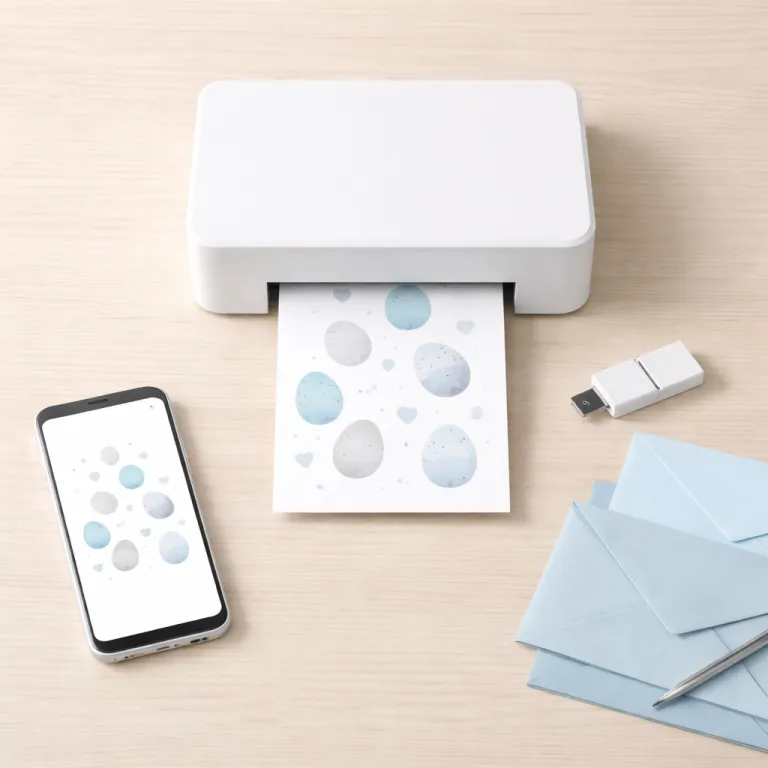
Several factors drove the surge in every kind of digital greeting, from a single birthday card sent by text to a large group card signed on shared card platforms. People wanted eco friendly options, faster delivery, and the flexibility to create one message and adapt it for different occasions without buying multiple cards. At the same time, many cards people chose were not the slick, animated greetings cards of early social media, but quieter designs that looked like traditional greeting cards translated into a virtual format, often shown as a flat card image with subtle texture and a short caption. Illustration: a muted cream Easter e‑card with hand drawn flowers and a simple “Thinking of you this Easter” message.
News coverage in the United States highlighted that design trends for Easter greeting cards favored hand drawn botanicals and real life photography instead of glossy stock images. For example, the National Retail Federation’s 2023 Easter survey reported that 54% of consumers planned to celebrate, and among 18–34 year olds, roughly one in three said they would send an online greeting or social media message rather than a printed card, while still preferring designs that looked handmade. That meant a digital greeting could feel like a physical greeting card, with textured card designs, muted colour palettes, and a simple greeting message that sounded like a real person. For senders, this made it easier to pick one of the best card designs on platforms such as Paperless Post or Punchbowl and then focus on the words, whether they were saying happy birthday to a relative with an Easter birthday or sending a gentle spiritual greeting to a colleague.
Why authentic design beats polished stock in digital cards
The most striking card trends this Easter were not about new technology but about restraint. People gravitated toward digital cards that looked like something they might have chosen from a small business stationery rack, with hand drawn flowers, imperfect lettering, and card design choices that left white space for a thoughtful message. That preference cut across age groups and platforms, from social media stories to dedicated card platforms offering both a single greeting card and collaborative group cards.
Designers reported that the best performing greeting cards used a limited colour range, often soft greens and creams, with one bold accent rather than neon palettes. One independent designer noted that cards with “quiet layouts and one focal illustration” outperformed heavily animated designs by more than 20% in click‑throughs on her shop. This echoed a wider shift in design trends where a digital greeting aims to feel calm and human, not like an advertisement, even when a business sends cards digital to clients or staff. For infrequent senders, this means you can safely choose greeting cards that look almost understated, then let your words carry the emotional weight for religious or secular occasions.
Another clear pattern was the rise of the digital group greeting, where a group of people sign one virtual greeting card for a friend, colleague, or family member. Shared card platforms have reported double digit year over year growth in group greetings, especially for workplace events and holidays. These group card formats work especially well for a happy birthday message, a shared Easter blessing, or a graduation note, because each card design gives space for many short messages instead of one long speech. When you join a digital group card, you do not need perfect phrasing; you only need one honest sentence that sounds like you, such as “Happy Easter, Maria — your calm energy keeps this whole team grounded,” which is exactly how digital greeting trends are lowering the pressure for people who send messages rarely. One designer who creates cards for remote teams described a favourite example: a simple cream background, one line drawing of a flower, and dozens of short notes from co workers that turned a routine work anniversary into a moment the recipient printed out and kept on a bulletin board.
From Easter to Mother’s Day and graduations: how to write smarter digital greetings
The Easter surge in greetings cards sent online is already shaping how people plan messages for Mother’s Day, graduation season, and Father’s Day. If you send only a few greeting cards each year, you can treat Easter’s design trends as a rehearsal for those higher stakes occasions and reuse what worked. Start by choosing digital cards with simple card designs, readable fonts, and one clear visual focus, then match your message length to the space the greeting card gives you.
For religious occasions, a digital greeting can blend a short blessing with one concrete detail about the relationship, while a more secular greeting card for a graduation or birthday card can focus on pride, support, or shared memories. When you join group cards, aim for one specific line that only you could write, such as a reference to a shared joke or a moment you both remember, instead of repeating generic happy birthday wishes. Across different card platforms and social media tools, this approach keeps your greeting grounded, whether you are sending a single card, signing a group card for a colleague, or coordinating a digital group message from an entire équipe.
Looking ahead, card trends suggest that people will keep mixing physical cards and cards digital, especially for milestone occasions where a hand signed greeting card still feels special. Yet even then, many senders will draft their message inside a virtual card first, using digital greeting tools to test wording before writing it by hand. For people who send messages only occasionally, the most useful lesson from current digital greeting trends is simple: the best card designs and platforms are the ones that make it easier to say one true thing, not to perform a perfect version of yourself.
Key statistics on digital greeting trends
- Industry surveys from organisations such as the Greeting Card Association and the National Retail Federation indicate that a growing share of consumers now send at least one digital greeting or social media message for major holidays, even if they also buy a physical card. The National Retail Federation’s 2023 Easter survey, for instance, notes that younger adults are especially likely to add an online greeting alongside traditional cards.
- The Greeting Card Association has estimated that while the US paper card market still represents billions of cards annually, digital and hybrid greetings now account for a steadily rising single digit percentage of total holiday messages, with the strongest growth in younger age groups. These figures are based on the association’s market overviews and member reporting on seasonal card volumes.
- Public statements from major e‑card platforms suggest that Easter, Mother’s Day, and Christmas consistently rank among the top holidays for online greetings, with group cards and collaborative messages showing the fastest year over year growth. Several platforms have reported that digital group greetings now represent a meaningful share of their total holiday traffic and engagement.
Common questions about digital greeting trends
How are digital greeting trends changing traditional holiday communication ?
Digital greeting trends are shifting holiday communication toward faster, more flexible formats while keeping many traditional elements of greeting cards. People still value a clear, personal message and thoughtful card design, but they now expect to send or receive that greeting through digital cards, social media, or shared card platforms. This blend allows senders to reach more people at once while preserving the emotional tone of a classic greeting card.
Do digital cards feel less personal than paper greeting cards ?
Digital cards can feel just as personal as paper greeting cards when the design and message are chosen carefully. A simple digital greeting with a hand drawn style, calm colour choices, and a specific, honest message often feels more intimate than a generic printed greeting card. The key factor is not the medium but whether the sender has taken a moment to write something that reflects the real relationship.
When should I use a group card instead of an individual greeting card ?
A group card works best when many people share one connection to the recipient, such as a colleague, teacher, or family member. In those situations, a digital group greeting lets each person add a short message, creating a fuller picture of support than a single greeting card could. Individual cards remain useful for very close relationships or sensitive occasions where a private message is more appropriate.
What makes a digital greeting design feel authentic rather than commercial ?
An authentic digital greeting usually relies on restrained card design, hand drawn or photographic imagery, and a layout that leaves room for text. When colours are soft, fonts are readable, and animations are minimal, the focus shifts back to the message instead of the effect. People tend to read these designs as more sincere, especially when they echo the look of traditional greeting cards rather than advertising graphics.
How can occasional senders avoid overthinking their holiday messages ?
Occasional senders can reduce pressure by starting with a simple structure; name the occasion, state one feeling, and add one specific detail. Choosing digital cards with clear prompts or sample wording can also help, because the card design itself suggests how long the message should be. Over time, reusing this structure across different occasions turns digital greeting trends into a practical toolkit rather than another source of stress.