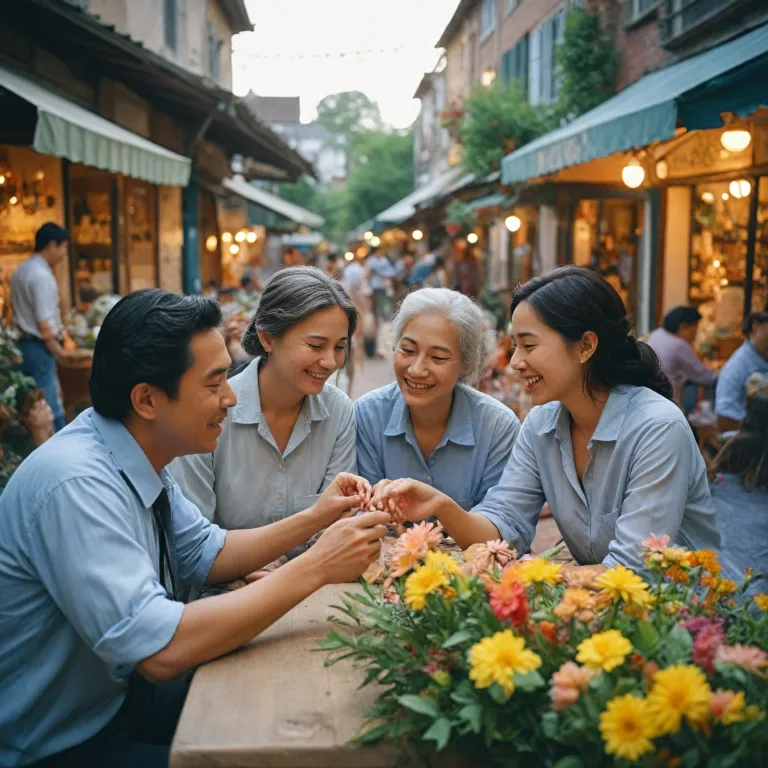
Understanding the meaning behind 'wishing y all the best'
The Heartfelt Meaning Behind Well Wishes
When someone says "wishing you all the best," it’s more than just a polite phrase. It’s a warm, genuine way to show support, encouragement, and care. This message can be especially meaningful during important moments in life—whether it’s a graduation, a new job, or a personal milestone. The intention is to let people know you are thinking of them and hoping for their happiness and success.
In many cultures, expressing good wishes is a valued tradition. It’s a way to strengthen relationships, whether between friends, family, colleagues, or even acquaintances. The act of sending best wishes is not limited to big events; it can also be a thoughtful gesture during everyday moments, like when someone is facing a challenge or starting a new chapter in their story.
- Best wishes messages can be tailored to fit the recipient’s personality and the situation, making them feel truly seen and valued.
- These messages often reflect the sender’s own values and hopes, showing a deeper connection between people.
- In the world of movies and drama, heartfelt wishes are often used to highlight emotional turning points, such as a teen leaving high school or an art teacher inspiring students.
Understanding the meaning behind these messages helps you craft more impactful and sincere notes. For those interested in crafting the perfect message, this guide on heartfelt congratulations offers practical tips and inspiration.
As you explore when and how to use these messages, you’ll see that the right words can make a lasting impression, whether you’re supporting a friend, a colleague, or a loved one. The next sections will dive deeper into timing, personalization, and real-life examples to help you write wishes that truly resonate.
When to use 'wishing y all the best' in your messages
Choosing the Right Moments for Your Best Wishes
Sending a message like “wishing you all the best” can be a warm gesture, but timing and context matter. People appreciate thoughtful words most when they feel genuine and relevant to their life moments. Whether it’s a milestone, a new chapter, or simply a tough day, your message can make a real difference.
- Life transitions: Graduation, a new job, or moving to a new city are classic times to send best wishes. These moments often bring excitement and uncertainty, so a heartfelt note can offer encouragement.
- Personal achievements: When someone completes a project, wins an award, or shares a creative story, acknowledging their effort with a best wishes message shows you notice and care.
- Challenging times: During illness, loss, or stressful periods, a simple message of support can mean a lot. It’s not about solving problems, but about letting people know you’re thinking of them.
- Special occasions: Birthdays, anniversaries, and holidays are perfect for sending warm wishes. These are times when people reflect on their journey, relationships, and the moments that matter.
- Everyday encouragement: Sometimes, people just need a reminder that they’re doing well. A quick note to a friend, a colleague, or even your art teacher can lift spirits and strengthen connections.
In the world of teen and high school experiences, best wishes messages can help support friends through exams, performances, or big decisions. Even in the film and drama community, a well-timed message can encourage someone before a premiere or after a tough audition. The key is to recognize the unique context—whether it’s a parent supporting a child, a director cheering on a cast, or a sister encouraging her sibling.
For more inspiration on celebrating special moments, you might find this guide on how to congratulate someone on a musical recital helpful. It offers practical tips for crafting messages that resonate during meaningful events.
Ultimately, the best wishes messages are those that match the moment and the person. By paying attention to timing and context, your words can become a lasting source of support and positivity.
How to personalize your wishes for greater impact
Making Your Wishes Stand Out
When you want your message to truly resonate, personalization is key. A generic 'wishing you all the best' is kind, but a thoughtful, tailored note can make someone feel genuinely seen and valued. Drawing from real-life moments, shared experiences, or even small details about the recipient’s journey can transform a simple wish into a memorable gesture.
- Reference shared experiences: Mentioning a specific event, like a high school graduation or a challenging project, shows you remember and care about their story.
- Connect to their passions: If the person is passionate about art or film, referencing their favorite movie or a recent creative achievement adds warmth and relevance.
- Highlight their qualities: Acknowledge traits such as resilience, kindness, or creativity. For example, "Your dedication as an art teacher inspires everyone around you."
- Use their milestones: Whether it’s a new job, moving to a new city, or celebrating a personal best, tying your wishes to these moments makes your message more meaningful.
Personalizing your wishes also means being mindful of the recipient’s privacy and comfort. Avoid sharing sensitive details or making assumptions about their life. Respecting boundaries is essential, especially when writing to people you may not know very well, such as colleagues or acquaintances.
For more ideas on crafting messages that express gratitude and meaning, you can explore this guide to crafting meaningful wishes messages. It offers practical tips for making your words count, whether you’re writing to friends, family, or professional contacts.
Ultimately, the best wishes are those that reflect genuine care and attention to the recipient’s unique journey. Taking the time to personalize your message can turn a simple note into a cherished memory.
Real-life example of a heartfelt wishes message
Illustrating a Sincere Wishes Message
To truly understand how to send a heartfelt wishes message, it helps to see a real-life example. A well-crafted message goes beyond generic phrases and reflects genuine care for the recipient. Whether you are writing to a friend, a colleague, or someone celebrating a milestone, the words you choose can make a lasting impact.
Consider a situation where someone is about to start a new chapter in life, such as graduating from high school or beginning a new job. Instead of simply saying "wishing you all the best," you can make your message more meaningful by referencing shared experiences, personal growth, or the journey ahead. This approach shows that you have put thought into your words and that you value the relationship.
- Personal connection: Mention a memorable moment or a quality you admire in the person.
- Encouragement: Express confidence in their abilities and future success.
- Warmth: Use language that feels genuine and supportive, avoiding clichés.
Here is an example of a heartfelt wishes message:
"As you step into this exciting new phase of your life, I want you to know how proud I am of all you have achieved. Your dedication in art class and your kindness to classmates have always inspired those around you. I am confident that your passion and creativity will continue to shine in everything you do. Wishing you all the best as you embrace new opportunities and create more unforgettable moments."
This message stands out because it is specific, warm, and tailored to the recipient’s journey. It avoids common mistakes like being too vague or impersonal, which can make wishes feel less sincere. By focusing on the individual and their story, your message will resonate more deeply and be remembered for a long time.
Common mistakes to avoid when sending wishes
Common pitfalls when sending your best wishes
When crafting a heartfelt message, it’s easy to overlook certain details that can impact how your wishes are received. Here are some frequent mistakes people make when sending their best:- Using generic phrases without context. Simply writing “wishing you all the best” can feel impersonal if not supported by genuine sentiment or reference to the person’s life, story, or recent moments. Tailoring your message to the recipient’s situation, whether it’s a teen graduating high school or someone starting a new job, adds warmth and meaning.
- Overlooking the recipient’s privacy. Sharing personal details about someone’s family, such as parents or a husband, without their consent can breach trust. Always respect privacy policy considerations, especially in public or group messages.
- Missing the right timing. Sending wishes too late or too early can lessen their impact. For example, congratulating someone on a movie premiere or art teacher award should happen close to the event for maximum effect.
- Not considering the relationship. The tone and content of your wishes should reflect your connection. A message to a director or colleague may differ from one sent to a close friend or sister. Adjust your words to fit the relationship, whether it’s professional or personal.
- Neglecting to personalize. Mentioning shared experiences, such as a favorite film or a memorable high school moment, can make your wishes stand out. Avoid making your message sound like it could be sent to anyone.
- Forgetting to proofread. Simple writing errors can distract from your message’s sincerity. Take a moment to review your words for clarity and correctness.
The deeper value of sending good wishes
The unseen ripple effect of genuine wishes
Sending heartfelt wishes goes far beyond a simple message. When you take the time to craft a warm, thoughtful note, you create a moment that can uplift someone’s spirit and strengthen your connection. In many ways, these small gestures become part of the story of our lives, adding meaning to everyday interactions and special milestones alike.
- Emotional support: A sincere wish can offer comfort during challenging times, reminding people they are not alone. Whether someone is facing a new job, a big move, or a personal struggle, your words can be a source of strength.
- Building relationships: Taking a moment to send best wishes shows that you care. Over time, these moments build trust and deepen bonds, whether with friends, colleagues, or even an art teacher from high school.
- Encouraging growth: When you wish someone well, you acknowledge their journey and encourage them to keep moving forward. This is especially meaningful for teens or anyone at a crossroads in life.
In the world of movies and drama, we often see how a simple message can change the course of a story. In real life, the impact is just as powerful. A heartfelt wish can become a cherished memory, much like a favorite film scene or a moment shared with family. These messages are not just about the words themselves, but about the intention and care behind them.
As you continue writing your own wishes, remember that the best messages come from a place of authenticity. Whether you’re congratulating someone on a new role, supporting a friend, or simply reaching out to say you care, your words have the power to make a real difference. The deeper value lies in the connection you create, the warmth you share, and the positive moments you help build in someone’s life.
