Why virtual event ideas matter when people share wishes online
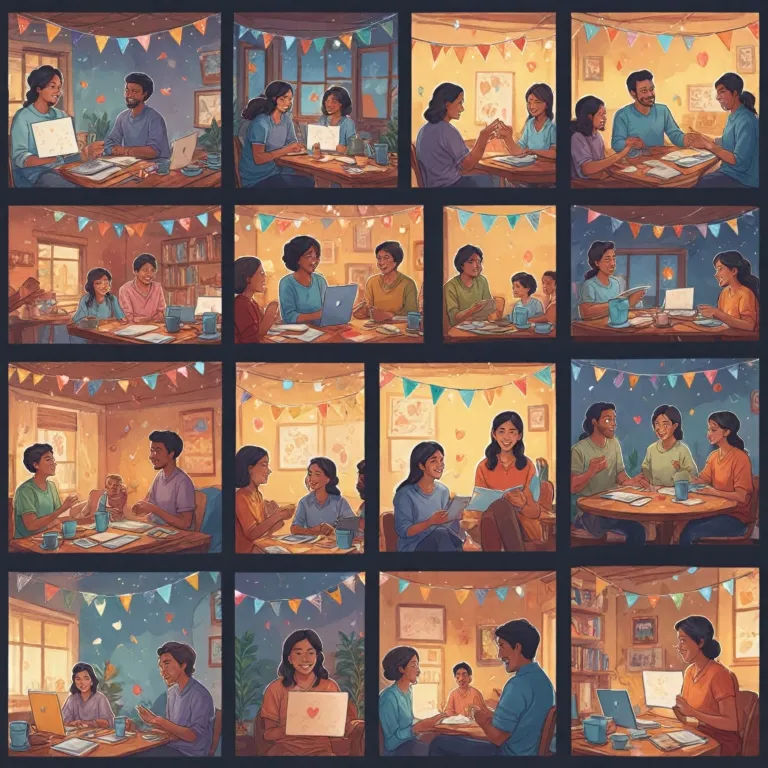
When people exchange wishes in a digital space, thoughtful virtual event ideas turn routine messages into memorable shared experiences. A well designed virtual event gives each participant time to speak, listen, and respond, which helps people feel seen rather than lost in a stream of online text. In this context, wishes become part of a story that teams remember together.
For many employees in remote work settings, online events are now the primary place where they express congratulations, gratitude, or support. A carefully planned virtual event can create a safe environment where participants feel comfortable voicing personal wishes, whether for a colleague’s milestone or a team achievement. When these events are interactive and structured, they keep people engaged instead of drifting toward passive screen fatigue.
Organizers should treat each virtual event as an editorial project, curating moments where wishes can be shared live and in real time. Short sessions that mix light activities with sincere messages help keep attention high while still allowing emotional depth. This balance is essential when teams operate across time zones and need online event formats that respect different schedules.
From a communication perspective, virtual events that highlight wishes show how language, tone, and timing shape relationships at work. When team members hear each other’s voices during live sessions, they interpret wishes more accurately than in text alone, which reduces misunderstandings. Over time, these event ideas strengthen trust and reinforce a culture where people feel comfortable expressing appreciation.
Journalistically speaking, the shift from physical gatherings to virtual events has changed how people narrate their lives together. Instead of a single office party, teams now rely on a series of online events to mark birthdays, promotions, and farewells. Each virtual event becomes a chapter in the ongoing story of the team.
Designing virtual events that give wishes emotional weight
To give wishes emotional weight, planners need virtual event ideas that move beyond simple video calls. One effective approach is to structure online events into themed sessions, such as gratitude circles, memory sharing, or future hopes, which guide participants toward more thoughtful messages. This editorial framing helps people prepare meaningful words rather than improvising under pressure.
For example, a virtual team might host virtual events where each person brings one image that represents a wish for the group. During live activities, participants explain their choices in short, timed segments, which keeps the event interactive and focused. These ideas virtual formats encourage reflection while still feeling light and accessible.
Breakout rooms are particularly useful when teams are large and time is limited. Smaller groups allow quieter team members to speak, share wishes, and respond to others in real time without feeling overwhelmed. When people return from breakout rooms, they often report stronger engagement and a clearer sense of connection.
In educational or community contexts, an online event can integrate wishes into rituals such as closing reflections or milestone messages. A principal’s farewell speech, for instance, can be adapted into a digital format that still feels intimate and sincere, as shown in this example of a heartfelt last thought for the day at graduation. By combining structured speaking time with space for spontaneous wishes, organizers respect both planning and authenticity.
From an analytical standpoint, the most effective virtual event ideas treat wishes as both content and connection. The content carries specific messages of hope or appreciation, while the connection emerges from the shared experience of speaking and listening. When online events are designed with this dual role in mind, they become powerful tools for building resilient teams.
Ultimately, the goal is to create virtual events where people remember not just what was said, but how it felt to say it together. That emotional memory is what transforms routine greetings into meaningful milestones. In a dispersed workplace, such memories are essential for long term cohesion.
Using interactive activities to keep wishes meaningful, not mechanical
Interactive activities are crucial for keeping wishes from feeling mechanical during virtual events. Without structure, online events can drift into awkward silences or rushed messages, which weakens the emotional impact of each wish. Carefully chosen activities help participants slow down, listen, and respond thoughtfully.
One popular format is the virtual scavenger hunt, adapted to focus on memories and aspirations rather than objects alone. Participants might search their homes for items that represent a wish for the team, then share the story behind each object during live sessions. This approach turns a simple game into a narrative exercise that deepens engagement.
Similarly, a themed book club can become a space where people express wishes indirectly through discussion. When team members read the same text and meet in an online event to talk about it, they often reveal hopes and concerns that would be harder to state directly. These sessions can be scheduled as recurring virtual events, giving people time to build trust.
Another effective idea is to host virtual happy hour gatherings that include structured prompts rather than only casual chat. For example, each participant might share one wish for a colleague, one for the team, and one for themselves, with time limits to keep the event moving. This format keeps the atmosphere relaxed while ensuring that everyone has a chance to speak.
Organizers can also draw inspiration from carefully crafted written messages, such as those used in formal announcements. Studying how to craft the perfect message for a graduation announcement can inform the language used in live wishes during virtual events. When people borrow techniques like clear structure and specific details, their spoken wishes feel more polished and sincere.
Ultimately, interactive activities should support, not overshadow, the core purpose of the event. The best virtual event ideas use games, prompts, and sessions as scaffolding for genuine human expression. When participants feel both guided and free, their wishes carry lasting meaning.
Balancing team building and personal wishes in online events
Balancing team building with personal wishes is one of the central challenges in designing virtual events. On one hand, organizations want online events that strengthen collaboration and align with work goals. On the other, individuals need space to express personal hopes, gratitude, and support that may not fit neatly into corporate language.
Effective virtual event ideas acknowledge both needs by alternating between collective and individual focus. A session might begin with a short team building activity, such as a collaborative quiz or creative challenge, before shifting to a round of personal wishes. This rhythm keeps energy high while signaling that personal voices matter.
For example, a virtual team could run a lighthearted murder mystery game as the opening segment of an online event. After the game, participants transition into a quieter space where they share wishes for colleagues who reached milestones or faced difficult periods. This contrast between playful and reflective moments helps keep attention while honoring emotional depth.
Team building activities can also be tailored to highlight shared values expressed through wishes. In one format, team members write anonymous wishes for the group’s future, which are then read aloud during live sessions and discussed in breakout rooms. This approach turns abstract goals into concrete, emotionally resonant statements.
Organizers should pay attention to how time is allocated within each virtual event. If the schedule is dominated by presentations or long speeches, participants may feel their own wishes are secondary, which reduces engagement. Short, repeated opportunities to speak help keep people involved throughout the event.
For companies planning seasonal celebrations, integrating wishes into broader event ideas can be particularly effective. A guide to fresh company holiday party ideas shows how appreciation and celebration can coexist in one program. Applying similar principles to virtual events ensures that both team goals and individual voices are respected.
Practical formats for wishes centered virtual events in remote work
Remote work has accelerated the need for practical formats that keep wishes at the heart of virtual events. One straightforward model is the recurring online event where each month is dedicated to a specific theme, such as gratitude, learning, or resilience. Participants prepare short messages in advance, then share them during live sessions that last no more than one hour.
Another format is the rotating host virtual model, where different team members take turns designing the event ideas. This approach spreads responsibility, encourages creativity, and ensures that diverse voices shape how wishes are shared. Over time, teams build a library of virtual event ideas that can be reused or adapted for new contexts.
For distributed teams, scheduling is often the most practical challenge. Organizers can address this by recording parts of virtual events, such as formal wishes or key messages, while keeping interactive segments live for those who can attend. This hybrid approach respects time zones without sacrificing engagement.
Some organizations integrate wishes into existing online events rather than creating separate sessions. For example, a regular project meeting might end with a five minute round where participants express one wish related to the work or the team. These micro rituals require little additional time but gradually shape a more supportive culture.
From a technical perspective, tools that support breakout rooms, polls, and chat can enhance wishes centered virtual events. Polls can be used to vote on themes, while chat allows shy participants to share written wishes if they prefer not to speak. The key is to offer multiple channels so that different personalities can participate comfortably.
Finally, organizers should document the most meaningful wishes shared during virtual events, with consent, and compile them into a shared digital space. This archive becomes a narrative record of the team’s journey through remote work, capturing both challenges and hopes. Over time, it serves as a reminder that even in online events, words can build lasting connections.
Ethical and emotional considerations when moderating wishes in virtual events
Moderating wishes in virtual events requires careful attention to ethical and emotional boundaries. When people share personal hopes or struggles in an online event, they may reveal sensitive information that needs to be handled with respect. Clear guidelines about confidentiality and appropriate topics help protect both participants and organizers.
Moderators should be trained to recognize signs of discomfort or distress during live sessions. If a wish touches on difficult experiences, the moderator can gently acknowledge the emotion, thank the speaker, and offer to continue the conversation privately after the virtual event. This approach maintains psychological safety without silencing important voices.
It is also important to ensure that wishes do not become performative or competitive. In some online events, participants may feel pressure to offer increasingly dramatic or elaborate messages, which can overshadow quieter but equally sincere contributions. Setting expectations about brevity and authenticity helps keep the focus on genuine connection.
From a fairness perspective, moderators should monitor who speaks and who remains silent during virtual events. If the same people dominate every session, others may feel their wishes are less valued, which undermines engagement. Simple techniques, such as rotating speaking order or using random selection tools, can help distribute time more evenly.
Ethical moderation also involves being transparent about how recordings, chat logs, or written wishes will be used after the event. Participants should know whether their messages will remain within the team, be shared more widely, or be anonymized. This clarity builds trust and encourages more open sharing.
Ultimately, the role of the moderator in virtual events is similar to that of an editor in a collaborative story. They shape the flow, protect the contributors, and ensure that each wish is heard in a context of respect. When this role is taken seriously, virtual event ideas centered on wishes can strengthen both individual wellbeing and collective resilience.
Key statistics about virtual events and online engagement
- Virtual events have seen sustained adoption across sectors, with many organizations reporting higher attendance rates for online events compared with traditional in person gatherings.
- Surveys consistently show that participants value interactive elements such as breakout rooms, polls, and live chat, which significantly increase perceived engagement during a virtual event.
- Remote work has led to a notable rise in virtual team building activities, with companies investing more in structured online events to maintain connection and morale.
- Shorter sessions, typically under one hour, tend to achieve better retention and satisfaction scores in virtual events focused on personal sharing and wishes.
- Organizations that regularly integrate appreciation and wishes into their virtual events report stronger employee sentiment and higher participation in optional online activities.
Frequently asked questions about wishes in virtual events
How can I encourage shy participants to share wishes during a virtual event ?
Offer multiple channels for participation, such as voice, chat, and anonymous polls, so people can choose the format that feels safest. Use small breakout rooms to reduce pressure, and provide prompts in advance so participants can prepare. Emphasize that brief, simple wishes are welcome and that silence is also respected.
What is the ideal length for a wishes focused online event ?
For most teams, 45 to 60 minutes is sufficient to balance depth and attention span. Within that time, alternate between short activities and speaking rounds to keep energy steady. Longer sessions can work if they include breaks and varied formats, but shorter, recurring events often build stronger habits.
How do I integrate wishes into regular work meetings without derailing productivity ?
Add a brief, clearly defined segment at the beginning or end of the meeting, such as a three minute round of gratitude or hopes for the week. Keep the format consistent so participants know what to expect and can prepare concise messages. Over time, this ritual becomes part of the meeting culture without consuming excessive time.
Are recorded virtual events appropriate when people share personal wishes ?
Recording can be appropriate if participants are informed in advance and given the option to speak off record for sensitive contributions. Clearly state how the recording will be used, who will access it, and how long it will be stored. When in doubt, prioritize privacy and allow key wishes to be summarized rather than shared verbatim.
What types of activities work best for wishes centered virtual team building ?
Activities that combine light structure with personal reflection tend to work best, such as themed prompts, virtual scavenger hunts focused on memories, or short storytelling rounds. These formats give participants guidance while leaving room for authentic expression. Avoid overly competitive games that might distract from the emotional purpose of sharing wishes.